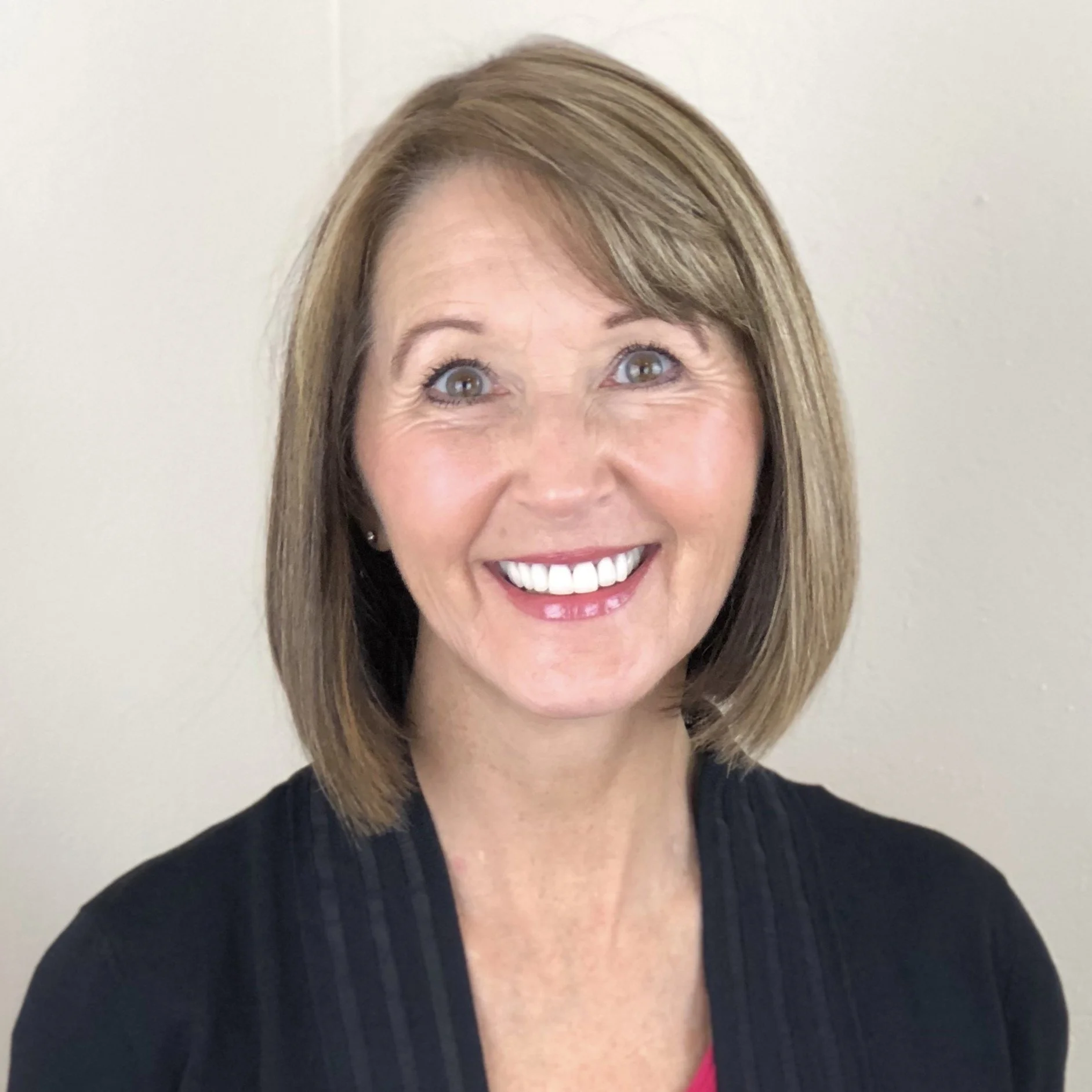
From Cirrhosis to Second Chances: Karen Hoyt’s Journey Through Liver Disease and Cancer
Karen Hoyt is a teacher, patient, and advocate from Tulsa, Oklahoma. She believes love is the key to everything. She teaches people to come together and build a caring community where education and support are open to all.
Her journey with liver disease and cancer began in a quiet way. She noticed bruises on her skin. They felt like a warning.
The First Signs Something Was Wrong
Around 2004 or 2005, Karen began to bruise easily. Small bumps left large purple marks. She had traveled overseas and paid close attention to her body. The bruises stood out.
She told her doctor during her yearly visits. She also shared that she felt tired and had trouble sleeping. She thought she was healthy. She did not know she had liver disease.
Her doctor missed the warning signs. Instead, he asked about her housekeeping. The question made her feel small and judged. She had hired help because she felt so tired, but she saw the messy house as a personal failure.
The doctor gave her an antidepressant and a sleep aid.
When she looks back, Karen sees bias in that moment. She still wonders if a man would have received the same response.
For the next five to seven years, she pushed through deep fatigue. She welcomed new grandchildren. She worked hard. She grew used to feeling tired all the time. She thought it was normal.
All the while, her illness silently grew worse inside her body..
When Everything Changed
On a hot Oklahoma day, Karen rode her bike for more than an hour. That evening, her body changed fast.
Her stomach swelled. Her skin and eyes turned yellow. She could not ignore these signs.
She called her family doctor and went to the office. The staff knew her well. They showed care and concern.
They sent her to the hospital right away.
A CT scan showed advanced liver disease. She had end-stage liver disease. She was very sick.
Doctors wanted to admit her. They said she needed a blood transfusion. They told her something serious was wrong.
Karen refused at first. She asked them to remove her IV. She insisted she felt fine and walked out.
Her daughter and sisters followed her and brought her back.
Later, Karen learned that liver failure can cause confusion. A condition called hepatic encephalopathy allows toxins to build up in the brain. Patients may act in ways that do not make sense.
Within two days, doctors drained fluid from her abdomen and gave her a blood transfusion. When she felt clear-headed, they explained her condition. She had end-stage liver disease. She was not a transplant candidate because she had hepatitis C. At that time, doctors had no cure for hepatitis C and would not transplant someone with an active infection.
A biopsy showed severe damage. Her liver had heavy scarring. Her platelet count was low. Bruises covered her body.
Some doctors assumed alcohol caused her illness because of her age. She had never taken a drink. The assumption hurt.
Waiting to Die
In August 2010, her liver failed.
Doctors checked her with scans every few months. She suffered bleeding in her esophagus, which required several procedures.
For years, her condition grew worse.
Then a new treatment for hepatitis C became available. Karen received the medicine and cleared the virus. Her MELD score, which shows how serious liver disease is, began to improve. She felt stronger.
Even without the virus, her liver had severe scars. Her risk for cancer remained high.
In 2014, doctors found a tumor. She had hepatocellular carcinoma, a common type of liver cancer.
Doctors began treatment and placed her on the transplant list.
Twice, doctors warned her family that she might not live to see Christmas. The words weighed on them.
Karen begged them to stop. Each time, the words bruised her family’s hearts.
Choosing to Live Fully
After her cancer diagnosis, Karen chose to stay engaged in life. She wrote on her website, ihelpc.com. She encouraged people to ride their bikes and live fully.
In Sedona, she sat by desert bonfires with friends. She faced her fear of death and reached for hope.
She followed her doctor’s advice. She completed lab work. She worked closely with her transplant team. She followed a strict diet and avoided restaurants. She focused on staying strong.
She filled journals with her fears and hopes. At times, she burned pages in bonfires as a way to let go.
She wanted to live.
Treatment and a Hard Choice
While she waited for a transplant, doctors discussed “bridge to transplant” treatments. These treatments control cancer growth while a patient waits for a donor organ.
For Karen, doctors used TACE, or transarterial chemoembolization. They inserted tiny beads through the femoral artery and guided them to the tumor. The beads delivered chemotherapy directly to the cancer. This method avoided full-body chemotherapy.
After her first treatment, scans showed no visible tumor. She worked with high school students and warned them about drinking and driving. Then she went home and cried.
She lay awake, haunted by the thought: would a young person’s tragedy become her lifeline?
The worry gripped her, returning every night.
She asked to be removed from the transplant list. Her team urged her to speak with a psychologist. They warned her about the risk of losing her place.
After Christmas, two new tumors appeared—renewing fear and urgency.
She told her team to move forward.
In April, she received a transplant.
A Gift That Lives On
Her donor, Gavin, was 17 years old. He was Cherokee and Osage. He died after a tragic injury. His mother chose to donate his organs and gave others the gift of life.
Karen wrote to the family. Gavin had a twin brother. Over time, she formed a close bond with his mother.
Each year, she honors Gavin’s life and the gift that saved her.
Nine years after her transplant, she continues to support people with liver disease and liver cancer.
Her Advice to Others
Karen offers simple advice.
Stay connected. Support groups and online forums do not replace medical care, but they offer strength and understanding. Shared experience matters.
Follow your medical team’s guidance. Complete your lab work. Ask questions. Share your goals and lean on your support system.
Stay connected to others.
Through illness, Karen’s priorities changed. She discovered what matters most: love, connection, and community.
She believes love is the key to everything.
Her story shares a clear message. Listen to your body. Seek answers. Speak up when something feels wrong. Follow your care plan. Stay close to others.
Choose to live fully, even when fear stands at your door.