From Fatty Liver to Liver Cancer: The Risk No One Explained
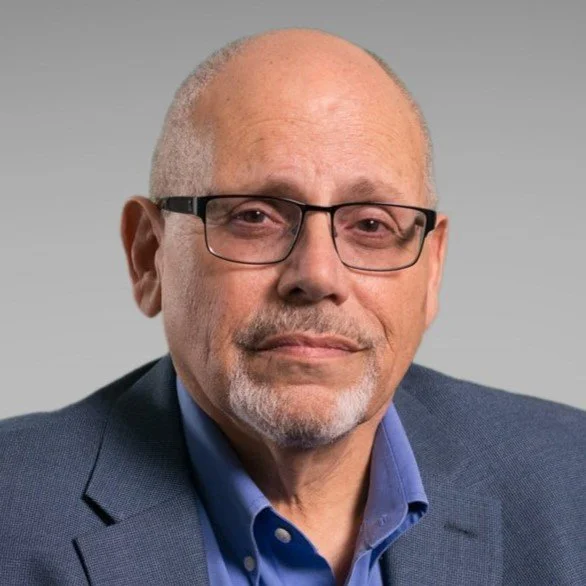
In 2005, Tony Villiotti was 59 years old. He had retired. He lived with type 2 diabetes and obesity. He saw his primary care doctor every six months and believed he was staying on top of his health.
That year, his doctor told him his liver enzymes were elevated. He said Tony had fatty liver disease and needed to lose weight. The warning did not sound urgent. At almost every visit, doctors had told Tony to lose weight. This felt like more of the same.
No one explained what fatty liver could become.
Over the next nine years, the topic came up now and then. Sometimes the doctor mentioned fatty liver. Sometimes he did not. Tony did not feel sick, so he didn’t worry.
That would change.
A Diagnosis That Did Not Make Sense
In 2014, Tony’s doctor ordered an ultrasound. Soon after, he left Tony a voicemail. He said Tony had NASH, which stands for non-alcoholic steatohepatitis. He also believed Tony had cirrhosis.
Tony and his wife thought the doctor had called the wrong patient.
Tony seldom drank alcohol. Like many people, he believed cirrhosis came from heavy drinking or drug use. The diagnosis did not fit the image he had in his mind.
A liver specialist confirmed the cirrhosis. Over the next two years, Tony’s liver continued to decline. Then, in 2017, doctors told him he had liver cancer.
More than a decade had passed since he first heard the words “fatty liver.”
No one had explained the risk.
Facing Liver Cancer
When Tony received his liver cancer diagnosis, he did not feel very sick. He had been getting regular MRI scans. But he sensed something was wrong when the clinic moved his appointment sooner.
Doctors told him he needed a liver transplant.
Transplant had come up before, but Tony had dismissed the idea. He carried fears and false beliefs. He thought transplant surgery was too dangerous. He had read it could make his diabetes worse.
He told his oncologist about his concerns. His liver specialist sat beside him and spoke clearly.
“Tony, we can treat diabetes. We can’t treat you if you’re dead.”
The message cut through the fear. Tony understood. Without a transplant, he would not survive.
The Fight to Stay Eligible
To qualify for a transplant, the cancer could not spread. If the tumor grew beyond a certain size, he would lose his chance.
Tony’s oncologist recommended stereotactic body radiation therapy. This treatment delivers high doses of radiation directly to the tumor over a short period. Tony received five targeted treatments across ten days.
His cancer diagnosis came on March 17, 2017—St. Patrick’s Day. Treatment began in April. Doctors said it would take six months to know if it worked.
In June, after many tests, Tony made it onto the transplant list.
At first, he still felt fairly strong. But that summer, his health declined.
He felt extreme fatigue. He lost his appetite. He had nosebleeds. Fluid built up in his abdomen and lungs.
Then came hepatic encephalopathy. His failing liver could no longer remove ammonia from his blood. The ammonia reached his brain.
One morning, his wife came home, and Tony did not recognize her. He did not know where he was. He later learned he had lost memory of a 12-hour period. His wife called 911.
His liver was shutting down.
The Call That Changed Everything
On March 17, 2018, exactly one year after his cancer diagnosis, Tony received the call. A donor liver was available.
The transplant took place the next day. Tony was 71 years old.
Doctors told him the liver was considered “high-risk.” The donor had lived with someone who used intravenous drugs. Although the donor himself did not use drugs, the history caused concern. Another hospital had declined the organ.
Tony did not hesitate. He would accept any liver that gave him a chance to live.
After surgery, his doctor described the new liver in simple terms. It was not a luxury car. It was a solid, dependable vehicle that would get the job done.
That was enough.
Gratitude for a Donor
Tony does not know much about his donor. The organ came from a deceased donor. A few months after surgery, Tony and his wife wrote a letter to the donor’s family.
Near the first anniversary of the transplant, they received a reply from the donor’s daughter. She shared that the family still grieved. She said her father liked helping people and would feel proud to know he helped someone live.
The letter brought comfort.
They have not stayed in touch, but Tony carries deep gratitude.
The Reality of Recovery
Tony spent eight days in the hospital after surgery. When he returned home, he felt weaker than he expected. Simple tasks drained him.
Within a few months, his strength improved. He began walking longer distances. He started driving again.
He has not returned to the hospital for complications. Still, recovery continues years later. He takes anti-rejection medication every day. These drugs protect his liver but affect other parts of his body.
Before transplant, Tony controlled his diabetes with diet and exercise. He no longer needed medication.
After the transplant, that changed. He now takes insulin shots each day along with other medications. The transplant saved his life, but it brought new health challenges.
Tony accepts that trade-off.
Turning Pain Into Purpose
Two lessons stood out to Tony.
First, many people do not know about non-alcoholic fatty liver disease. They believe liver disease only comes from alcohol.
Second, patients often do not receive clear education about the risks.
When Tony first heard “fatty liver,” no one explained that it could lead to NASH, cirrhosis, liver cancer, and transplant.
He wants to change that.
Tony founded NASH Knowledge to raise awareness and provide education. He and his team create materials he wishes he had received years earlier. They developed a roadmap that shows how fatty liver disease can progress. They produced a documentary that aired on PBS to reach more families.
Tony believes knowledge can prevent suffering.
If people understand the risks earlier, they can take action. They can lose weight, manage diabetes, and monitor liver health. They can ask better questions. They can push for specialist care when needed.
Education gives patients power.
A Message of Hope and Warning
Tony’s story carries both hope and warning.
Fatty liver disease may seem mild at first. Many people feel no symptoms. But without attention, it can advance to NASH. NASH can lead to cirrhosis. Cirrhosis can lead to liver cancer. Liver cancer can require a transplant.
Tony survived because of skilled doctors, a successful bridge treatment, and a donated organ. Not everyone gets that chance.
Today, he lives with gratitude. He also lives with purpose.
He speaks so others will not dismiss the words “fatty liver.” He shares so that families will understand that liver disease does not always come from alcohol. He educates patients so they can protect their health before it is too late.
Tony Villiotti received a second chance at life. Now, he works to make sure others never have to reach the brink of death to learn what he learned the hard way.
Knowledge, he believes, can save lives.