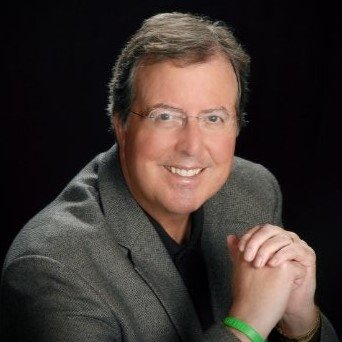
A Double Transplant and a New Beginning
When someone receives an organ transplant, they often call it a “gift of life.” For Steve Baum, that phrase holds deep meaning. In 2009, he received both a liver and a kidney transplant. That surgery gave him a second chance to live fully.
Since then, Steve has not slowed down. He has helped recruit organ donors, served on health-related boards, and competed in the Transplant Games and Senior Olympics, where he won medals. He and his wife recently celebrated 50 years of marriage. Together, they have two children and three grandchildren.
Steve’s journey began long before his transplant.
A Family Disease
Steve did not need a liver transplant because of liver cancer or liver disease caused by lifestyle. He was born with a genetic condition called polycystic kidney disease, also known as PKD.
In the late 1970s, Steve’s father was hospitalized with internal bleeding. Doctors found cysts on his kidneys. They soon learned PKD runs in families. If one parent has PKD and the other does not, each child has a 50 percent chance of inheriting the disease.
Steve is the oldest of four children. One sibling does not have PKD. Two needed transplants. His youngest brother now takes medication in clinical trials that slows the growth of cysts.
The First Signs
Steve first noticed symptoms in 1986 when he passed blood in his urine. He was 31 years old. A urologist ordered an ultrasound and referred him to a kidney specialist, known as a nephrologist.
His first nephrologist had strong medical skills, but Steve felt unheard. He described symptoms that suggested his liver was growing larger. The doctor did not act on those concerns.
Steve decided to research his symptoms himself. He found a new doctor, Dr. Taylor. After listening to Steve for an hour, Dr. Taylor diagnosed him with polycystic liver disease. His liver had grown to an extreme size.
When doctors later removed Steve’s liver and kidney during transplant surgery, the liver weighed 30 pounds. The kidney weighed nine pounds. Steve jokes that he lost 39 pounds over Thanksgiving.
He once stood next to his pregnant daughter for a photo. She was nine months pregnant. Steve looked even larger. He describes himself as looking like a small letter “B” with feet.
Behind the humor, the condition was serious.
Living with a Massive Liver
As the cysts on Steve’s liver grew, the organ expanded. It pushed against his stomach and intestines. He felt pressure and constant weight in his abdomen. Moving became difficult.
He says he will never tease a pregnant woman about how she walks. They moved better than he did.
Eating became a challenge. The enlarged liver left little space for his stomach to expand. He struggled to eat enough food. He also faced digestive problems at both ends. The situation became so severe that Dr. Taylor later told him the medical team moved him up the transplant list because he was starving.
The Transplant Evaluation
Dr. Taylor referred Steve to UAB Hospital, where surgeons had experience handling very large livers. The transplant process required many tests. Steve went through about ten different stations. Specialists evaluated his heart, lungs, and overall health. They needed to know how his body would handle major surgery.
Time with a social worker also played a key role. Transplant teams want to know if patients have emotional and practical support. Recovery demands strength, discipline, and help from others.
Steve did not face the process alone. His wife attended every appointment. She took notes. She asked questions he did not think of. She answered questions he struggled to answer.
Steve calls this the “buddy system.” He believes every transplant patient needs one.
Waiting for the Call
Steve waited ten months on the transplant list. His blood type is B-positive, which can limit donor matches. Because he needed both a liver and a kidney, receiving a liver helped him get a kidney faster than waiting for a kidney alone.
Doctors track how sick someone is using a score called MELD. At each appointment, Steve’s score increased by about two points. A higher score means a person needs a transplant more urgently.
Then the call came.
On November 10, 2009, at 10:49 p.m., he received a phone call. It was eleven minutes before eleven o’clock, on the day before November 11. His transplant took place on 11/11/09—Veterans Day.
People often ask Steve his lucky number. He answers without hesitation: eleven.
A Setback During Recovery
The surgery went well at first. Steve began walking with a walker. He covered more distance than expected. He pushed himself to impress the nurses.
Then his strength faded. He struggled to walk even short distances. One Saturday, while his brother and sister visited, he began vomiting blood during a football game. Doctors discovered he had internal bleeding.
That night, his hospital room filled with activity. He remembers looking up and seeing five units of blood prepared for transfusion. Tubes surrounded him.
Doctors found two ulcers that caused the bleeding. They repaired them. His recovery process started over.
Gaining Strength Again
Despite the setback, Steve recovered quickly once doctors controlled the bleeding. His legs regained strength. His energy improved.
Emotionally, he and his family leaned on strong support from friends and loved ones. Physically, he returned to work six or seven weeks after surgery.
The transplant did more than remove diseased organs. It restored his ability to live fully.
A Life of Purpose
Since his transplant, Steve has dedicated himself to helping others. He recruits organ donors and serves on health-related boards. He competes in athletic events designed for transplant recipients and older adults.
The Transplant Games celebrate people who received organs and those who donated. The Senior Olympics promote fitness and healthy aging. Steve has earned medals in both.
He does not see himself as extraordinary. He sees himself as grateful.
The Power of the Buddy System
When asked for advice, Steve speaks about the buddy system.
His wife stood beside him at every step. She listened, questioned, and advocated. She provided strength during moments of fear. Not everyone has that kind of support. Steve and his wife now try to help people who face a transplant without a strong network.
A transplant involves more than surgery. It involves paperwork, appointments, medication schedules, and emotional strain. No one should navigate it alone.
A Message of Hope
Steve Baum’s story shows how listening matters. When one doctor did not hear his concerns, he searched for another who would. That choice led to the correct diagnosis and treatment.
His journey also shows the impact of organ donation. One donor saved his life.
Today, Steve lives not as someone defined by disease, but as someone shaped by resilience and gratitude. He embraces family, service, and competition with energy.
He often reflects on the date of his transplant. Eleven has become a symbol of second chances.
For Steve, the gift of life came twice. He honors that gift every day.