Caregiver Lessons Learned and Shared
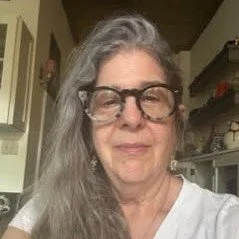
Elisa Herr lives in the New York and New Jersey area. She never expected to become an expert in liver cancer. She never wanted to learn the words that would enter her daily life. But in July 2019, her husband Ed received a diagnosis of hepatocellular carcinoma, also known as HCC. From that moment on, Elisa stepped into many roles. She became a caregiver, an advocate, and the steady voice in the room.
Ed passed away in 2022. Elisa now shares what she learned so other caregivers do not feel alone.
"Things I Never Wanted to Know"
Elisa once said that during Ed's illness, she learned things she never wanted to know. That statement carries weight.
One of the first hard lessons involved hepatic encephalopathy. When doctors first told them about the cancer, no one explained that this condition might follow. Hepatic encephalopathy can cause confusion and memory problems when the liver fails to remove toxins from the blood.
Elisa watched her mentally sharp husband struggle to think clearly. He became confused during episodes. The change shocked her. It broke her heart. She had known him as a quick thinker and a strong leader. Seeing that shift felt cruel.
She also learned about ascites, a buildup of fluid in the abdomen. Ed needed frequent hospital visits to drain the fluid. Over time, those visits became part of their routine. The staff knew their names. They even joked about how much fluid doctors would remove each time. Humor helped them cope with a hard truth.
After Ed's first radiation treatment, he seemed fine when they left the hospital. They lived about 30 minutes outside Manhattan. By the time they reached home, he began to shiver without control. His body could not regulate its temperature. Elisa had to respond fast and figure out what to do next.
Liver cancer changed his body in ways she had never imagined.
A Chef Without an Appetite
Ed owned two restaurants. Food shaped his life. He built his career around taste, texture, and hospitality. He loved cooking. He understood flavors and ingredients at a deep level.
Then the cancer took his appetite.
Elisa found herself in the kitchen instead of him. She tried to feed him, but he would not eat. He developed cravings for foods he had never liked before. The changes confused them both. They tried protein drinks and supplements. Eating became a task instead of a pleasure.
For a man known in the community for his culinary skill, that loss cut deep.
When Elisa says she learned things she never wanted to know, she does not mean only medical terms. She means the daily reality of watching someone's body change. She means learning how illness reshapes identity.
The Shock of Diagnosis
When doctors delivered the diagnosis in July 2019, Elisa and Ed felt stunned. The word "cancer" landed with force.
They had adult children who had families of their own. Sharing the news with them felt painful. Ed told his sons. Elisa told her brother. He told her to take care of herself. Many people gave that advice.
She did not follow it at first.
Caregivers often focus on the patient. Elisa centered Ed's needs. She pushed her own feelings aside. She moved into action mode.
Holding on to Work and Structure
Both Elisa and Ed continued to work after the diagnosis. Ed kept going to his restaurants as long as he could, especially in the early months. The restaurants were not just businesses. They were his life's work. Staying involved gave him purpose.
Elisa also kept working. She had the benefit of remote work and flexible hours. She brought her laptop to the hospital. She answered emails from waiting rooms. Work gave her structure. It created a sense of normalcy during a season that felt anything but.
At some point, they needed to tell the restaurant staff about the diagnosis. That conversation felt hard. No one wants to tell employees at an eating establishment that the owner has liver cancer. The irony hurt.
Once the staff knew, they showed strong support. The community rallied around them. That support carried Elisa through many days.
Finding the Right Support
One of the strongest supports in Elisa's journey came from Imerman Angels. The organization matches cancer patients and caregivers with mentors who have faced the same disease.
Elisa connected with another caregiver who had walked the same road. She could talk about scan anxiety. She could discuss AFP levels. She could ask what questions to bring to doctor visits. She did not need to explain basic terms. Her mentor understood the language and the fear.
That connection changed everything.
Elisa also leaned on a close group of friends from the food community. One friend trained to become a death doula during that time. They came to Elisa's home. They shared meals. They talked. Those evenings felt normal.
When illness makes life feel strange, normal moments matter. Sitting around a table with friends brought comfort.
Emotional Shifts in a Marriage
As the disease progressed, Elisa noticed changes in Ed's personality. He became quieter. That shift saddened her. They had always talked about everything. They had built a partnership rooted in conversation.
She did not know why he pulled back. The disease may have affected him. He may have tried to protect her from his thoughts. He may have felt lost in his own fear.
She learned that she could not force him to open up. Instead, she found other outlets. She talked with friends. She spoke with her mentor. She refused to isolate herself.
Caregiving can feel lonely. Elisa chose not to carry that weight alone.
Advice for Caregivers
When asked for advice, Elisa answers with clarity.
Line up a group of people you can call, even at odd hours.
Do not rely on one person. Spread out the support.
Caregivers need safe spaces. They need people who can listen without judgment. They need places where they can cry, vent, or say the hard things they cannot say to their loved ones.
Cancer creates stress that feels overwhelming. Doctor visits. Test results. New symptoms. Treatment side effects. Each stage brings new fear.
Elisa believes that multiple support outlets protect a caregiver's mental health. One friend may not have the capacity to hold every emotion. A small network shares the load.
She also believes in informed support. Having someone who understands the disease can change how a caregiver approaches appointments and decisions. Knowledge builds confidence.
What Her Story Teaches
Elisa Herr did not choose this path. She loved her husband. She supported his work. She built a life with him in the restaurant world. Liver cancer forced her to adapt.
She learned medical language. She navigated hospital systems. She balanced work and caregiving. She faced moments that tested her strength.
Today, she uses her experience to help others. Through Imerman Angels, she serves as a support mentor. She offers what she once needed: understanding from someone who knows the road.
Her story teaches three core lessons.
First, liver cancer changes more than the liver. It affects the mind, appetite, identity, and relationships.
Second, caregivers need structure and community. Work, friends, and mentors create anchors in chaos.
Third, no caregiver should stand alone.
Elisa Herr learned things she never wanted to know. Now she shares them so others can feel prepared, supported, and seen.