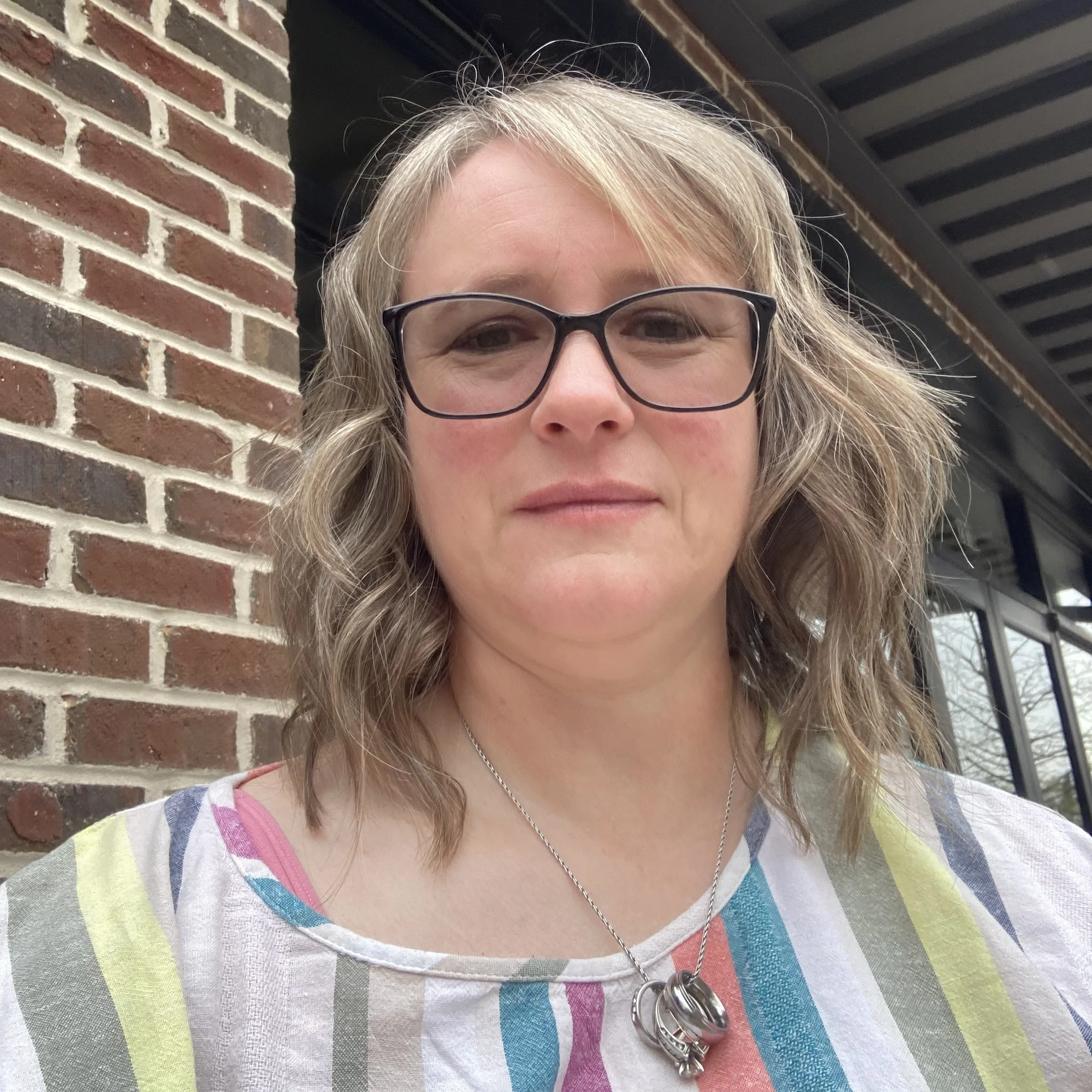
A Caregiver's Story of Love, Loss, and Strength
Angela Davis never expected to become a caregiver overnight. She had built a steady life in Huntsville, Alabama. She worked as a dental hygienist for 27 years. She loved spending time with her daughters and family. She enjoyed reading, scrapbooking, and camping. Life felt normal and full.
Then, on August 7, 2022, everything changed.
Her husband, Russ, woke up with severe stomach pain. It was a Sunday. He had been dealing with pain for a short time, but had tried to push through it. The night before, he had hiccups that would not stop. He finally said, "Take me to the emergency room."
At the hospital, doctors ran tests. They delivered news that stunned the family. Russ had stage four liver cancer.
Eighteen days later, he was gone
A Diagnosis That Came Too Fast
Angela and Russ knew he had non-alcoholic fatty liver disease. Over time, it had turned into cirrhosis. His doctors monitored him each year. He had annual blood work and an MRI with contrast to check his liver. His MELD score never rose high enough for a transplant list. The plan was simple: recheck every year.
Then COVID disrupted everything.
Russ had an appointment scheduled for April 2022. The office canceled it and said they would reschedule. Weeks turned into months. Angela urged him to call. He believed the office would reach out. The follow-up never happened.
Two years passed, marked by cancellations and delays. Angela sometimes wonders if they could have caught the cancer sooner. Doctors told her the tumor may not have existed four months before the diagnosis. That knowledge brings both comfort and frustration.
The truth remains: the cancer moved fast.
Just two days before the emergency room visit, Russ had been mowing the lawn and playing badminton with their daughter. He looked healthy. He acted normally. Nothing suggested that his body was fighting a life-threatening disease
The First Week in the Hospital
Russ was admitted right away. Doctors ordered blood work and scans. Information came from every direction. Angela tried to keep working because Russ had been out of work without warning. Bills still had to be paid. Their 10-year-old daughter still needed care.
When Angela could not stay at the hospital, Russ called her and put the doctors on speaker. She took notes during medical updates. She tried to understand new terms and test results. She balanced work, parenting, and crisis at the same time.
At midnight, hospital staff called Angela. Russ had become unresponsive. He needed a brain scan. He had been on morphine for pain, and the dose had affected him.
Doctors diagnosed hepatic encephalopathy and sepsis. At times, Russ became confused. He told Angela to check the stove even though they were in a hospital room. He believed someone stood at the door when no one was there. Watching him struggle broke her heart.
Doctors started chemotherapy. Russ received six doses. The treatment did not have time to work.
The cancer had already spread. Doctors found a marble-sized tumor in his heart. They worried it could break loose. A small tumor also appeared in his lung.
Angela listened to each update and tried to stay steady. She faced one decision after another
Talking to a Child About Cancer
One of the hardest parts of those 18 days involved their 10-year-old daughter.
At first, the family struggled with how much to share. Russ did not want to tell her it was cancer. A nurse suggested meeting with child life specialists. They helped Angela and Russ find language that fit her age. They told her Daddy's liver was very sick, and doctors were trying medicine to help him.
Even so, children sense more than adults expect.
Angela later learned that her daughter had told her speech therapist that her dad had liver cancer. No one had used that word at home. She had researched it online.
Angela knew she needed to tell her the truth.
She asked her daughter if she wanted to visit him at the hospital. The child said no. Angela respected that choice. At times, she arranged FaceTime calls. Seeing his daughter lifted Russ's spirits.
Angela also asked a doctor about the prognosis. She needed honest answers. The doctor said she hoped Russ might have six months to a year.
Instead, he had 18 days.
One morning, hospital staff called and told Angela she needed to come in. She understood what that meant. In that moment, she shifted into action. She called her father to pick up her older daughter from college. She did not want to drive while upset. She asked a friend to stay with her.
Angela thought clearly during a crisis because she had to. Her children needed her
Shock and Grief
Shock defined those weeks. On Friday, Russ cut the grass and played outside. On Sunday, he received a terminal diagnosis. Less than three weeks later, Angela became a widow.
Grief did not arrive in a straight line. It came in waves. For the first year, Angela focused on survival. She cared for her daughters. She handled paperwork and finances. She showed up each day because she had no other choice.
Inside, she carried heartbreak
Lessons from a Caregiver
When asked for advice, Angela speaks with clarity:
Take care of yourself.
Accept help.
Get counseling.
Angela admits she did not focus on her own needs during those 18 days. She placed her children and Russ first. After his death, she kept moving forward for her daughters.
Counseling changed her path. It helped her process trauma, fear, and loss. It gave her tools to support her children while also caring for herself.
She urges caregivers not to wait.
Cancer affects the whole family. It strains finances, emotions, and health. Caregivers often ignore their own pain because they believe they must stay strong for others. Angela learned that strength includes asking for support.
A Story That Matters
Angela Davis did not choose this journey. She loved her husband. She trusted the medical system. She believed they had time.
Liver cancer often hides until late stages. Many patients show few symptoms. When signs appear, the disease may already have spread. That reality makes regular monitoring and follow-up care critical.
Angela's story also shows the importance of communication. She stayed involved in medical conversations. She asked direct questions. She took notes. She advocated for clarity.
Most of all, her story reflects love.
In 18 days, she faced fear, hope, confusion, and loss. She protected her children. She supported her husband. She navigated complex medical decisions.
Today, Angela continues to rebuild her life with her daughters. She still reads. She still scrapbooks. She still spends time with family. Grief remains part of her story, but so does resilience.
Her message to other caregivers stands firm: You cannot pour from an empty cup. Seek support. Accept help. Protect your mental health.
Caregiving requires courage. Angela Davis shows what that courage looks like.