Love, Liver Cancer, and Learning the Hard Way
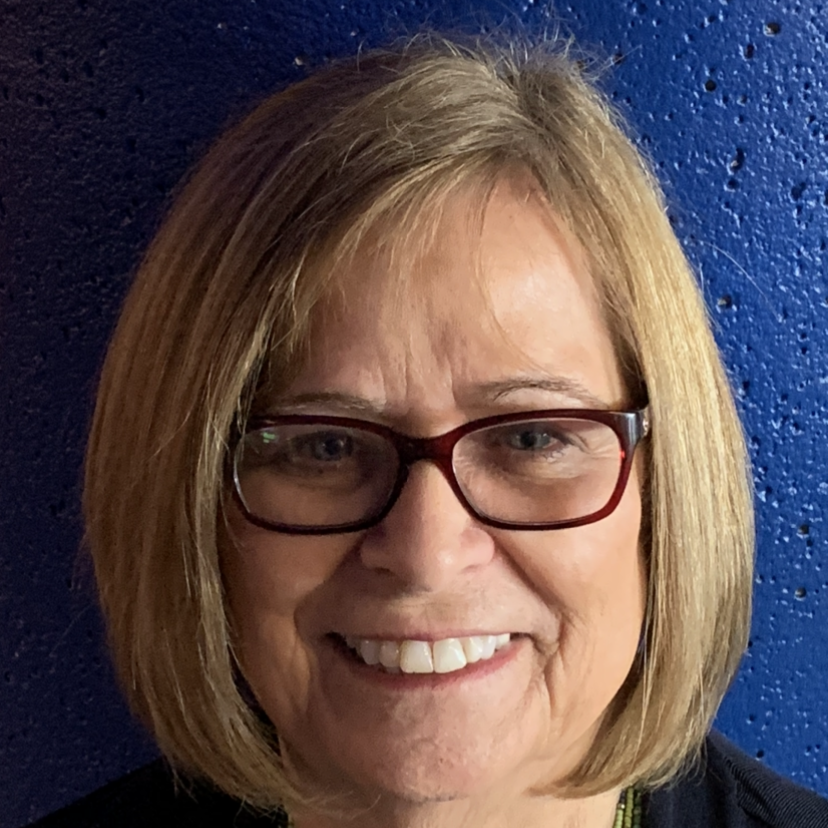
Betsy Villioti never planned to become a liver cancer caregiver.
She was a retired schoolteacher. She had built a life with her husband, Tony. They were enjoying their later years together. But liver disease does not ask for permission. It does not wait for perfect timing.
And when it arrived, Betsy stepped into a role she never expected.
The First Diagnosis
Tony was first diagnosed with liver cancer in the fall of 2015.
Doctors told them they would "monitor it" and decide on treatment later. Six months after that, they said they could not find cancer anymore. The scans looked clear.
Betsy and Tony celebrated.
Tony was turning 70 that year. Betsy threw him a big birthday party. Family and friends came. His 96-year-old mother attended. Everyone felt grateful.
At that moment, they believed the cancer was gone.
But liver disease was still there.
The Second Diagnosis
In the winter of 2017, Tony had another MRI. The doctor's office called and asked them to come in early for the appointment.
Caregivers know what that means.
It was St. Patrick's Day when Tony received his second liver cancer diagnosis. Betsy will never forget the date. Caregivers rarely do.
Friends and family were supportive. They knew Tony had cirrhosis. They understood the risks. Still, the news was heavy.
Some people had noticed changes before the diagnosis. Tony would drift off in conversation. He would fall asleep during visits. People did not realize cirrhosis could cause that.
Betsy did not realize how many early signs they had missed.
Early Signs They Did Not Understand
Looking back, Betsy can see the warning signs.
Fatigue was one of the first. Tony was always tired. He blamed age. "I'm old," he would say.
But it was more than that.
He had frequent nosebleeds. He bruised easily. If he bumped his arm, a deep bruise would form. He began to lose muscle mass. He would trip. He complained that suitcases felt heavy, even though Betsy packed them the same way she always had.
At the time, they did not connect these symptoms to liver disease.
Like many families, they thought dehydration explained the confusion and tiredness.
They were wrong.
When Confusion Became Dangerous
One of the hardest parts of Tony's illness was hepatic encephalopathy, also called HE.
HE happens when the liver cannot remove toxins from the blood. Those toxins cross the blood-brain barrier, affecting thinking and behavior.
Betsy had never heard of it.
Tony became confused. At first, it seemed small. He would act strangely on vacation after eating too much sugar. Betsy blamed dehydration and pushed water.
Then one day, things escalated.
Tony was driving home from vacation. He swerved across the road. Betsy feared for their lives. She made him pull over. At a gas station, Tony could not figure out how to pump gas. The machine worked fine. He just could not process it. He handed Betsy the keys.
That was the beginning.
Later, Betsy came home and found Tony trying to walk through a wall. He did not know who she was. He did not know where he was.
She called for an ambulance.
At the hospital, Tony acted like a toddler. He could not follow instructions. Staff had to restrain his hands to keep him safe.
That was October 2017.
After that, HE became a repeated battle.
The Emotional Toll of HE
Hepatic encephalopathy does more than confuse. It changes personality.
Tony sometimes became belligerent. That was not his nature. He rarely raised his voice in their marriage.
When Betsy urged him to go to the hospital, he resisted. She had to threaten to leave the house if he refused care.
She called his doctor. The doctor confirmed the symptoms and told her to get him to the hospital immediately.
HE forced Betsy into a new role. She had to judge whether her husband's behavior came from illness or emotion.
That weight was heavy.
Caregiving Without a Break
After a severe HE episode, Betsy quit her substitute teaching job.
She did not want to leave Tony alone.
She relied on her daughter to sit with him so she could leave the house for short periods. Even then, she felt anxious.
When she went out, she used a "text check."
If Tony sent a clear, normal text, she relaxed for a little longer. If his message came back as gibberish, she rushed home.
Caregiving became a constant vigilance.
Accepting Help
Betsy learned an important lesson: people want to help, but they need direction.
When friends asked, "What can I do?" she began to give specific answers.
"Pick up groceries."
"Drive someone to practice."
"Stay with Tony so I can step out."
She urges other caregivers to do the same. Do not guess what people can offer. Tell them.
The Cost of Not Taking Care of Herself
Betsy admits she did not take care of herself.
She skipped doctor appointments. She ignored her own health. After Tony received a liver transplant, she had nine medical appointments waiting because she had postponed them all.
She now tells caregivers to protect their own health. "If you collapse, you cannot care for anyone else."
Emotional care matters too. Betsy felt alone. She searched online and frightened herself with worst-case scenarios. She now advises caregivers to avoid "Dr. Google."
Instead, talk to a therapist. Use telehealth if leaving the house feels impossible. Find support groups where others understand liver disease.
Betsy found purpose in helping others through NASH Knowledge, the organization she co-founded. She runs a liver support group that meets by Zoom and welcomes people from across the country.
Community changed everything.
A Message to Other Caregivers
Betsy Villioti did not choose this journey.
But she learned from it.
She learned that fatigue can signal something serious. She learned that confusion can be medical, not personal. She learned that hope can exist even in hard moments.
Most of all, she learned that caregivers need care too.
Liver disease affects the whole family. It demands strength. It demands patience. It demands knowledge most people never want to gain.
But it also reveals love.
Betsy stepped up for her husband when he needed her most. She now steps up for other families walking the same road.
Her message is simple:
Take care of yourself. Accept help. Seek support. And never face liver disease alone.