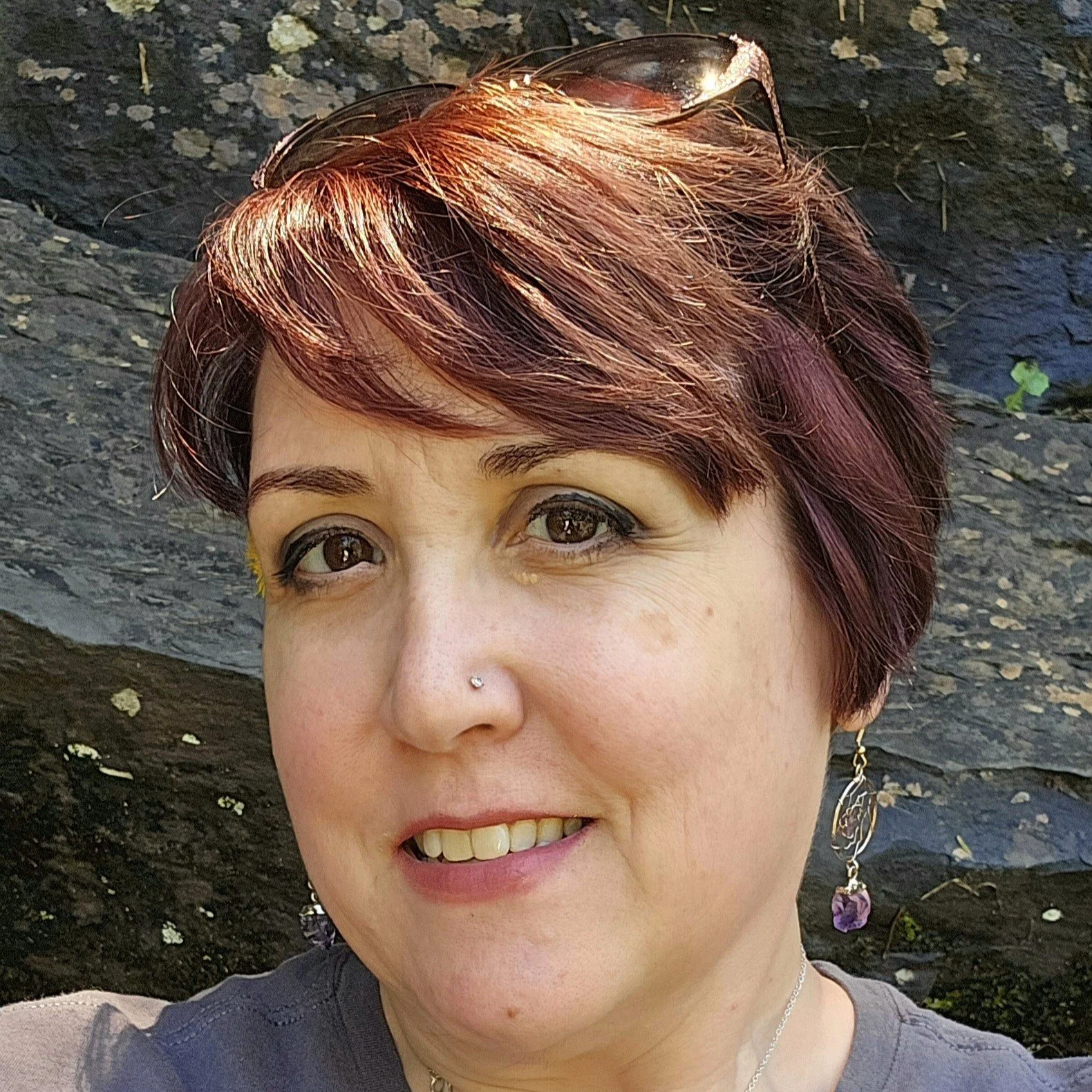
When the Caregiver Gets Cancer: A Social Worker’s Story From Both Sides
For 13 years, Kara Klink, MSW, helped people with cancer. She sat with them during chemotherapy. She helped them find food, housing, and rides to treatment. She listened when they felt scared.
Then Kara became the patient.
Kara lives in Newark, New Jersey. She earned her Master of Social Work degree from Temple University. She worked as an oncology social worker. Today, she lives with stage 3B hepatocellular carcinoma, the most common type of liver cancer.
She has seen cancer care from both sides.
Why Kara Chose Social Work
Kara did not plan to work in cancer care. She first worked in health care with older adults. She loved helping people, but did not want to perform medical procedures. Nursing did not feel right.
While working in a hospital, she noticed a social worker. The job fit her skills and heart.
She enrolled in a part-time program at Temple University while she kept working. During her second year, she interned at a cancer center without a full-time social worker. Staff called a social worker during crises. No one met with patients each day.
Kara filled that gap.
She sat in the infusion room for hours. She talked with patients and their families. Later, one woman told Kara that their quiet time together meant everything.
The internship became a part-time job, then a full-time job. Kara later worked at several hospitals. Her goal stayed the same: help people with cancer live better lives.
Lessons From Her Father’s Cancer
Cancer touched Kara’s family before her own diagnosis.
Her father had head and neck cancer. Kara drove him to daily radiation treatments during a school break. She saw how hard the treatment hit his body. He struggled to eat and lost weight.
Staff often focused on the scale number. Her father felt upset. One day, he put rolls of coins in his pockets before weigh-in so the number would look higher.
He survived and regained strength. The memory stayed with Kara. She learned that small moments in treatment can feel huge.
The Hardest Part of the Job
Kara worked in two very different hospitals.
In a suburban hospital, she led support groups. Patients talked about fear, hope, and identity.
Later, she moved to a hospital in Philadelphia. Many patients faced bigger problems. Some lacked food, stable housing, or good insurance. Kara spent less time in support groups and more time solving urgent problems.
Patients asked:
How will I pay rent?
How will I get to treatment?
How will I buy food?
Kara searched for grants and charities. She connected patients with community programs. At times, she paid for gas, food, or clothes herself.
The stress weighed on her. She went home to a safe house and a full kitchen. Many of her patients did not.
She also saw a pattern. Hospitals often call social workers only during emergencies. Early support could prevent many crises.
What Liver Cancer Patients Should Know About Social Workers
Kara calls social workers “a jack of all trades.” Bring them any questions. If they do not know the answer, they will find it.
Social workers can:
Help patients apply for financial aid.
Connect families with food and ride programs.
Offer counseling and emotional support.
Guide families through conflict.
Support patients during treatment and survivorship.
Their support can begin at diagnosis and continue for years.
Kara urges patients to ask for a social worker early. Request one if no one offers. Reach out again if new concerns arise.
When Kara Became the Patient
Last year, Kara retired after doctors diagnosed her with stage 3B liver cancer.
In the emergency room, she acted fast. She met with doctors and built her care plan. She knew how the system worked and spoke up for herself.
Doctors found several tumors. The cancer had reached her portal veins. She felt fear and shock.
She also felt prepared. Years in oncology had taught her how to face hard news.
Learning to Accept Help
As a social worker, Kara often told patients to accept help. As a patient, she found that hard.
When coworkers raised money and brought gifts, she felt unsure. Then she reminded herself she would do the same for them. She chose to accept their support.
She encourages patients to give clear answers when people ask how to help. Ask for gas money. Request a favorite meal. Name a chore that needs to get done. Clear requests make it easier for others to show care.
Taking Back Control
At first, Kara saw cancer as an enemy she had to defeat. Over time, that view stopped helping.
She began to see cancer as part of her body. She asked what her body needed. She looked at stress and years of pushing herself too hard.
She does not blame herself. Cancer is not a punishment.
She focuses on what she can control. She follows her treatment plan and takes her medicine. She also cares for her spirit. She spends time with loved ones and rests when she feels tired.
This shift helped. Her lab results returned to normal. Scans show her tumors have shrunk.
She feels hope.
The Power of Peer Support
Kara urges liver cancer patients to find community. Friends and family offer love. Other patients offer shared understanding.
Peer groups allow honest talk. Patients can speak without fear of upsetting loved ones. Caregivers also benefit from their own support.
Kara joins Blue Faery programs and stays active in the Liver Cancer Community. She values a space focused solely on liver cancer, available in several languages, and built for privacy.
Connection reduces loneliness. It reminds patients they are not alone.
A Full-Circle Journey
Kara once sat beside people with cancer. Now others sit beside her.
She continues to speak up for herself and other liver cancer patients. She shows that social workers do more than fill out forms. They stand with people in times of fear and change.
Her story shares three clear messages:
Ask for a social worker early.
Accept help and name what you need.
Find community and care for your mind, body, and spirit.
Kara once told patients that support exists if they ask for it. Now she lives those words.