Breakthroughs in Liver Cancer Care
From Reluctance to Calling
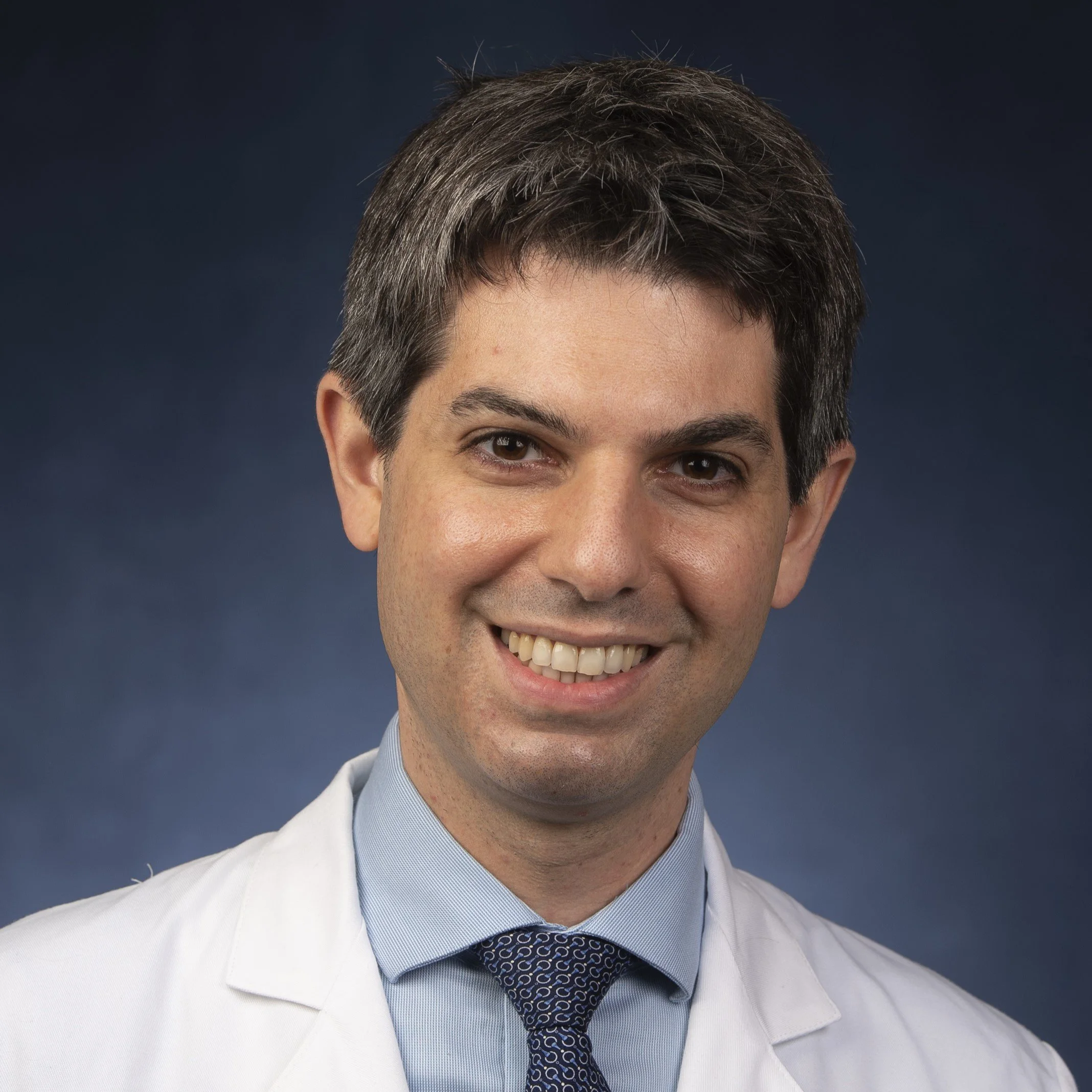
Although Dr. Yarchoan comes from a family of physicians, he did not plan to follow in their footsteps. Over time, his love for science and desire to help people pulled him toward medicine. He realized that becoming a physician was the best way to combine both passions. He studied neuroscience at Amherst College and attended medical school at the University of Pennsylvania. After that, he trained in internal medicine at the University of Pennsylvania Hospital. He later completed a fellowship in cancer medicine at Johns Hopkins.
Witnessing Breakthroughs in Cancer Treatment
While at Penn, Dr. Yarchoan trained during an essential time in cancer care. He saw doctors use CAR T-cell therapy for the first time. This new treatment gave hope to patients who had run out of options. Doctors told many patients to consider hospice care, but some of them went on to make life-changing recoveries.
Caring for these patients left a lasting impression. He saw how research could change patient outcomes. The experience confirmed his choice to work in oncology, where he could care for patients. By doing research, too, he could bring new treatments from the lab to the clinic.
A Diverse Patient Population
At Johns HopkinsDr. Yarchoan cares for a diverse group of patients. The city has one of the highest rates of primary liver cancer in the country. The high rates are generally due to hepatitis and obesity. Many of his patients come from underserved communities. These communities include people dealing with homelessness or substance use.
At the same time, Johns Hopkins draws patients from across the country and around the world. Dr. Yarchoan might see one patient who cannot afford basic medicine. Then he'll meet another who arrived by private jet. This mix of patients brings different medical and personal challenges to his clinic.
A Patient Who Changed His Path
One patient stands out in Dr. Yarchoan's memory: the first person with liver cancer he treated using immunotherapy. At that time, doctors did not have approval to use this treatment for liver cancer. So the patient entered a clinical trial. The results were extraordinary. The tumors completely disappeared. While these results are rare, this experience showed Dr. Yarchoan that liver cancer treatment was changing significantly. Seeing that success inspired him to focus on liver cancer research and patient care.
Progress and Remaining Challenges
In the past decade, treatment options for liver cancer have grown dramatically. When Dr. Yarchoan first entered the field, the only drug available was sorafenib. Thanks to years of research, treatment choices have grown. Doctors can now choose from several targeted therapies and combine them with immunotherapy.
Despite these advances, challenges remain. The newest treatments can help, but they do not work for everyone. Only about a third of patients experience significant tumor shrinkage. Dr. Yarchoan remains hopeful that continued research will improve those odds.
How Patients Typically Present
Doctors find many cases of primary liver cancer through regular screening programs. Many of these patients also have cirrhosis, which is a type of liver scarring. Screening often catches the cancer early. Early diagnosis gives patients a chance at curative treatment.
Many patients do not know they have cirrhosis or liver disease until symptoms appear. The symptoms can be vague, like fatigue, pain, or jaundice. Sometimes doctors find liver tumors by accident during imaging for other health problems.
The Multidisciplinary Approach
At Johns Hopkins, a multidisciplinary team evaluates every liver cancer patient. This team includes medical oncologists, hepatologists, surgeons, and interventional radiologists. In the past, patients had to book separate visits with each specialist. Now they can see all their providers in one visit. Sometimes, doctors even meet with patients in the same room. The team reviews the scans together during the visit. This approach enhances the patient experience and allows providers to coordinate care plans. Research also shows that multidisciplinary care can lead to better outcomes.
Changing Causes of HCC
The causes of HCC in the United States are shifting. Hepatitis B and C are now better controlled. Especially since doctors can cure hepatitis C with new drugs. At the same time, obesity and fatty liver disease are becoming more common causes.
Treating hepatitis C lowers the risk of liver cancer, but it does not entirely eliminate the risk. Even after treatment works, patients who have had hepatitis C must keep getting screened. Dr. Yarchoan recommends lifelong screening for liver cancer. Many patients believe they are safe and later learn they have advanced disease.
A Concerning Trend: Younger Patients Without Risk Factors
Dr. Yarchoan recently noticed a troubling pattern. More young people are developing liver cancer. Many of them do not have the usual risk factors. These individuals have no cirrhosis, hepatitis, or obesity-related disease. He's also heard similar observations from colleagues across the country. The cause of this trend is still unknown. It also shows why ongoing liver cancer research and prevention are vital.
Looking Ahead
Dr. Yarchoan's work at Johns Hopkins balances caring for patients today with finding better treatments for the future. He focuses on improving immunotherapy for liver and bile duct cancers. He also works to expand access to team-based care and raise awareness about liver cancer risks and the importance of screening.
His path took him from avoiding medicine to leading critical research. His journey shows what can happen when curiosity, compassion, and science work together. For patients with liver cancer, his work offers more than treatment. It also provides hope for better outcomes and more lives saved.