How One Doctor Is Helping Cancer Patients Take Control of Their Care
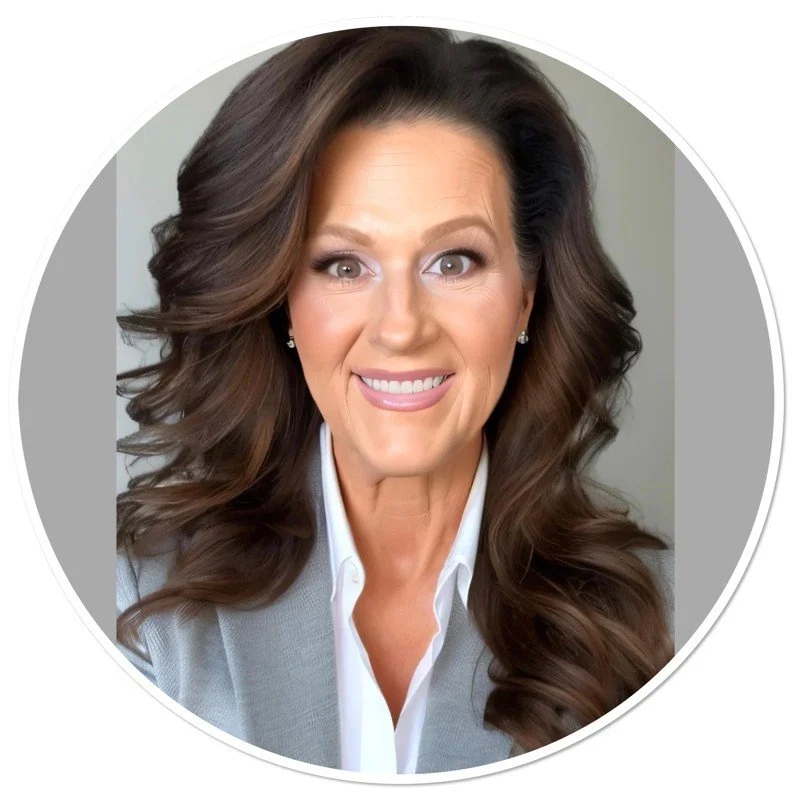
Dr. Bridget Bongaard prefers a simpler name, Dr. B.
It fits her approach. She keeps things clear, direct, and focused on what matters most. She helps people feel seen, heard, and supported through cancer care.
As a board-certified internal medicine physician with training in integrative medicine, Dr. B has spent her career building programs that treat more than just the disease. She helps patients understand their bodies, ask better questions, and take an active role in their care.
Why Patients Must Speak Up
Dr. B sees a problem across the healthcare system.
Most doctors want to help. But many face packed schedules. Some see 20 to 30 patients each day. That leaves little time to explore complex symptoms or answer every question.
Patients often leave visits unsure of what to do next.
Dr. B teaches patients to take an active role in their care.
If a symptom does not go away, they should follow up. If something feels off, they should ask more questions. If no answers come, they should keep asking.
Delays in care can lead to worse outcomes. Staying engaged can make a real difference.
The Challenge of Rural Healthcare
Dr. B now works in Maui, where access to care can be limited.
Outside of major areas, patients face long travel times for basic services. Some must take a plane or ferry just to get tests. Lab results can take days. In emergencies, even reaching a hospital can take over an hour.
There are also fewer doctors.
Specialists often leave for higher pay on the mainland. High living costs make it hard to recruit and keep providers.
After the Maui fires, the situation became more difficult. Housing costs rose, and many families struggled to afford basic needs.
These challenges affect how and when patients seek care.
Building Support Through Maui Cancer Resources
When Dr. B saw these gaps, she took action.
She co-founded Maui Cancer Resources and now serves as its medical director. The organization focuses on helping patients feel supported through every stage of cancer.
One early program offered three-day wellness retreats. Patients learned about nutrition, stress, and emotional health. They explored art and music therapy. They also received support to rebuild confidence in their appearance.
The goal was simple. Treat the whole person.
Adapting to Meet Patients Where They Are
When COVID-19 disrupted in-person programs, Dr. B and her team adjusted.
They created one-day retreats held several times each year. These events still offer education, connection, and support in a more flexible format.
They also introduced new programs, including:
Cancer Healing Kitchens that teach basic cooking skills
Nutrition education focused on reducing inflammation
Practical lessons on building a healthy pantry
Some patients have never learned to cook. Others rely on processed foods. These programs help patients build skills step by step.
Food as a Tool for Healing
Dr. B believes food plays a key role in health.
She teaches patients how nutrition supports the body during and after treatment. She explains how fiber supports the gut and how certain foods can help reduce inflammation.
She keeps the message simple.
Patients do not need perfect diets. They need better habits.
When patients learn how to stock a healthy pantry, they are more likely to cook at home and make informed choices.
A Four-Part Guide to the Cancer Journey
One of Dr. Bongaard's biggest projects is a four-part cancer guide. It walks patients through every stage of their experience.
Diagnosis: This section helps patients understand what to ask after diagnosis. It teaches organization and self-advocacy.
Treatment: Patients learn about managing symptoms, understanding risks, and coping with anxiety and depression.
Survivorship: This section focuses on life after treatment. Patients learn what tests to expect and what symptoms to watch for in the years ahead.
Resources and Life Planning: This section includes support tools, wellness ideas, and guidance on future planning.
Dr. Bongaard avoids focusing only on end-of-life care. Instead, she asks: "How do you want to live?"
This shift helps patients stay focused on hope and purpose.
Why Hope Matters
Dr. Bongaard believes hope is essential.
In one of her programs, participants chose "hope" as their word for the year.
Hope does not mean ignoring reality. It means finding something worth moving toward.
Patients who focus on what they love often feel stronger. They feel more motivated to continue treatment. They feel more in control.
Cultural and Financial Barriers to Care
Dr. Bongaard also highlights challenges that many patients face but rarely discuss.
In some communities, people delay care because of cost. They may worry about taking money away from their family.
Others rely on cultural or community support instead of seeking medical care.
These choices can lead to late-stage diagnoses.
Dr. Bongaard believes education can help.
She supports training community health workers who understand local cultures. These workers can guide patients, explain medical terms, and help them navigate the system.
The Importance of Health Literacy
Many patients struggle to understand medical language.
Dr. Bongaard works to simplify it.
Instead of using complex terms, she explains conditions in plain language. She helps patients understand what is happening in their bodies.
Sharing this information so clearly builds confidence.
When patients understand their health, they can make better decisions.
Collaboration Is Key
Dr. Bongaard believes nonprofits, healthcare providers, and communities must work together.
She has partnered with groups like the American Cancer Society and local nonprofits. These partnerships allow her team to:
Offer trauma support after disasters
Provide financial assistance for food
Teach healthy lifestyle habits
One program focuses on food insecurity. Patients receive support and education on building a healthy pantry.
The goal is long-term change—not short-term help.
Helping Patients Take Back Control
Dr. Bridget Bongaard's work centers on one idea. Patients deserve to feel empowered.
She teaches them how to ask questions, understand their care, and stay involved in every step of the process.
Her approach goes beyond treatment. It focuses on the whole person, including their health, goals, and quality of life.
For patients facing cancer, that approach can make a real difference.