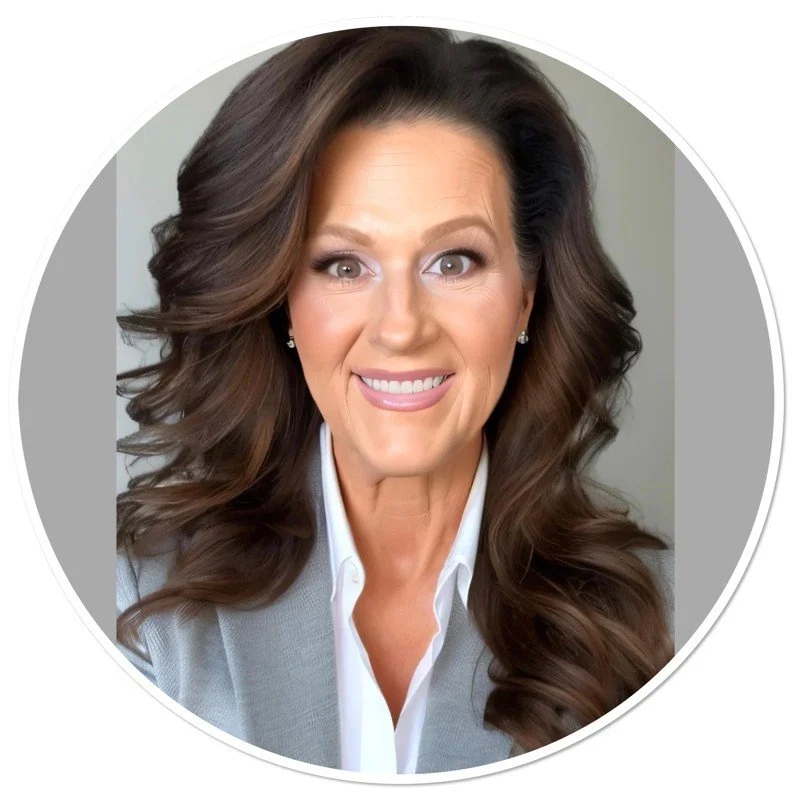
How Lorrinda Gray-Davis Is Changing the Transplant Journey
When people hear the words "liver cancer," fear often follows. For Lorrinda Gray-Davis, that fear became real. Her story shows how strength, support, and self-advocacy can change the path of a life-threatening diagnosis.
Today, she uses her voice to help others find hope.
A Diagnosis That Changed Everything
Lorrinda's health issues began years before her diagnosis. In 2003, doctors noticed high liver enzymes. They told her not to worry. Later, imaging suggested fatty liver disease. Again, no urgency followed.
Over time, symptoms grew worse. She felt tired. She noticed swelling in her stomach. She got sick often. Still, no one connected the dots.
She did not know she had liver disease.
After moving to Oklahoma, everything changed. Within seven months, doctors diagnosed her with end-stage liver disease. The news shocked her. She had no idea anything was wrong.
Soon after, her condition worsened. A high fever sent her to the emergency room. She ended up in the ICU. Then came the words that changed her life.
She had inoperable liver cancer.
Doctors told her she would not survive without a liver transplant.
In that moment, fear took over. She did not know how to move forward. She worried about money, resources, and access to care. Many patients feel the same way. Families often struggle to understand what the patient is going through.
Choosing Hope in the Face of Fear
Lorrinda faced many barriers before she could even qualify for a transplant. She needed treatment to slow the cancer. Doctors used a procedure that placed chemotherapy beads in her liver to stop tumor growth.
Even then, she worried she would not qualify. She focused on everything that could go wrong.
Then she made a choice.
She changed her mindset.
Instead of expecting failure, she chose to believe a transplant could happen. That shift helped her move forward. She joined the transplant list on February 20, 2018.
On August 8, 2018, she received her liver transplant.
That day gave her a second chance at life.
Turning Survival Into Purpose
After her transplant, Lorrinda did not step away from the experience. She stepped into advocacy.
She joined the Transplant Recipients International Organization (TRIO) just five months after surgery. She wanted to give back. She wanted to help others navigate the same path.
During her first in-person meeting, she met people who were 10, 20, and even 30 years post-transplant. That moment changed her perspective.
She saw what was possible.
That experience inspired her to co-found a TRIO chapter in Oklahoma. She later became a leader in the organization. Her work focuses on one simple goal: helping patients understand how to move from diagnosis to survival.
She believes that knowledge creates opportunity.
The Hidden Challenges of Rural Cancer Care
Lorrinda's experience also highlights a major issue in healthcare: access.
Many people live in rural areas. These communities often lack specialists. Primary care doctors may not see liver cancer often. As a result, early signs can go unnoticed.
Patients may receive delayed or incorrect diagnoses.
Lorrinda believes education must improve. Doctors need more training to recognize liver disease early. Patients also need to speak up when something feels wrong.
She encourages people to ask questions and seek second opinions.
"This is your life," she says. "You are in charge of it."
The Power of the Right Care Team
Liver cancer care requires the care of more than one doctor. Patients often need a team.
This team may include:
A gastroenterologist (digestive system specialist)
A hepatologist (liver specialist)
An oncologist (cancer doctor)
A transplant center team
Each provider plays a role. Together, they treat both the cancer and the underlying liver disease.
Without the right team, care can fall short.
Finding Strength Through Community
Lorrinda knows how isolating illness can feel. During her journey, she felt alone. No one around her fully understood what she faced.
That experience shaped her advocacy work.
In 2020, she helped start peer-to-peer support meetings. These virtual meetings connect transplant patients across the country. More than 230 people have joined.
The goal is simple: no one should feel alone.
Patients share advice. They explain what to expect. They offer emotional support. These connections help people feel seen and understood.
Lorrinda believes that patients helping patients creates powerful change.
Understanding a Common but Confusing Symptom
Many liver disease patients experience a condition called hepatic encephalopathy. This condition affects brain function.
Lorrinda experienced it herself.
She struggled with memory. She slurred her words. She lost her balance. At times, she did not recognize loved ones.
The hardest part? She did not know anything was wrong.
This condition happens when toxins build up in the brain. It can feel similar to dementia, but it is not permanent. After her transplant, her symptoms improved.
Understanding this condition helps families respond with patience and care.
Advocacy Through Connection
In addition to TRIO, Lorrinda volunteers with Imerman Angels. This group connects cancer patients with survivors.
She speaks with people who feel overwhelmed. She listens to their fears. She shares her story.
That connection brings hope.
When patients see someone who survived, they begin to believe they can survive too.
Hope becomes real.
The Importance of a "Fight Song"
Lorrinda offers one unique piece of advice: everyone needs a fight song.
A fight song is a piece of music that brings strength during hard moments. It helps shift focus from fear to determination.
Her song is Fight Song by Rachel Platten.
Music helped her push through the hardest days. It reminded her to keep going.
She encourages others to find their own.
Simple Steps to Take Control of Your Care
Lorrinda shares practical advice for patients:
Write down symptoms and track changes
Ask questions before and after appointments
Use patient portals to communicate with doctors
Record important medical visits (with permission)
Seek second opinions when needed
These steps help patients stay informed and involved. They also improve communication with doctors.
A Life That Inspires Others
Lorrinda Gray-Davis turned a life-threatening diagnosis into a mission. She now works to improve care, education, and support for others.
Her story shows that survival is not the end.
It is the beginning of something new.
Through advocacy, connection, and hope, she helps others find their way forward.
And for many patients, that makes all the difference.