How Nurse Navigators Improve Liver Cancer Treatment
When someone hears the words “liver cancer,” life can feel upside down. There are scans, lab tests, appointments, and many new medical terms. Patients often meet many specialists. It can feel like too much all at once.
This is where a nurse navigator helps.
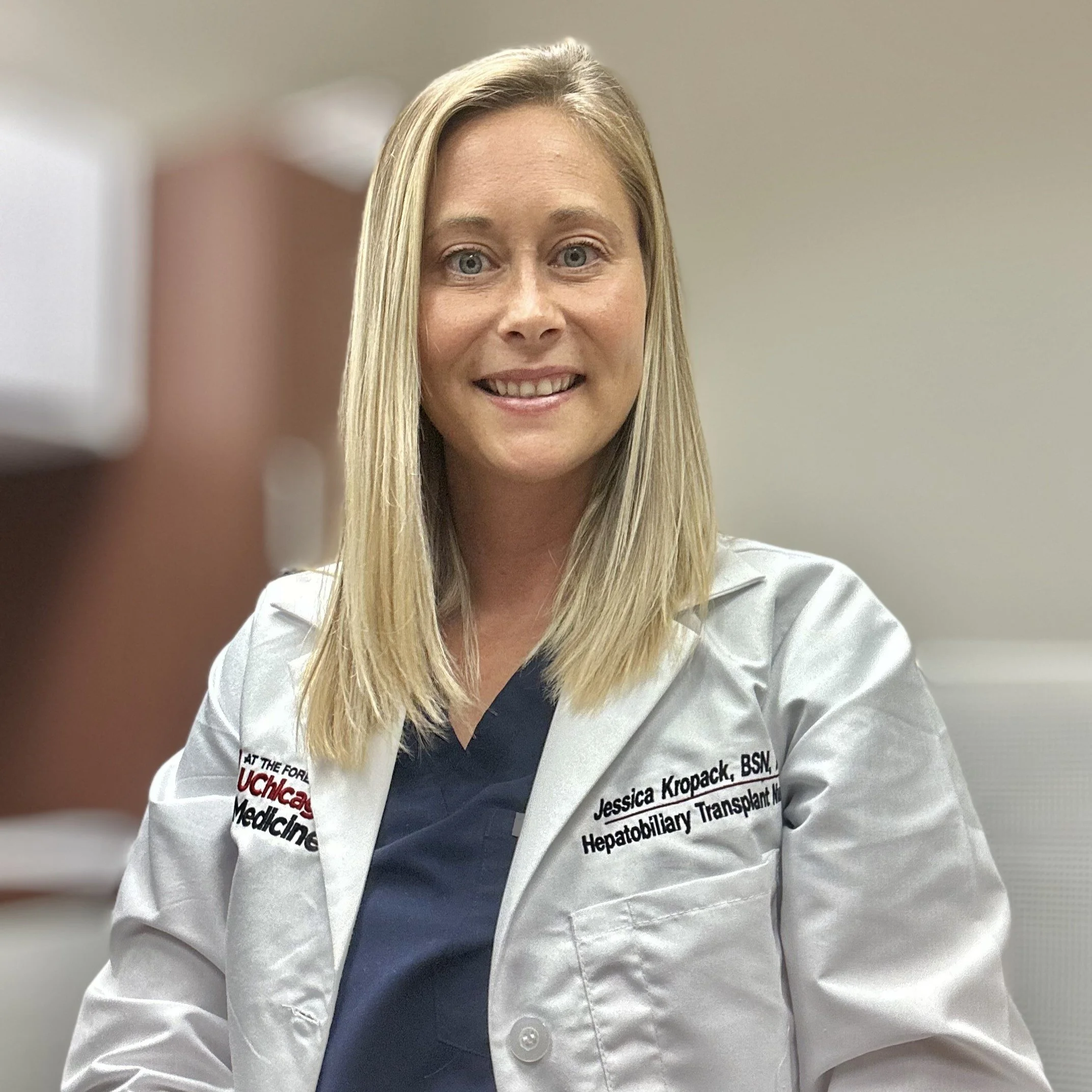
Jessica Kropak is a liver tumor coordinator and nurse navigator at the University of Chicago Medicine. She has worked as a nurse for 12 years. She has cared for patients in the burn ICU, surgical ICU, and recovery room. Now, she focuses on liver diseases, including liver cancer.
A Career Inspired by Care
Jessica chose nursing for a personal reason. When she was young, her close friend had leukemia. She spent many hours with him in the hospital.
She noticed something important. The nurses brought light to hard days. They spent time with her friend. They treated him like a person, not just a patient.
That experience shaped her future. She went to nursing school and built her career around caring for others.
Jessica believes nurses do more than give medicine or check vital signs. Nurses bring comfort, clear answers, and hope when families feel afraid.
A Personal Experience That Changed Her Path
In 2020, Jessica donated a kidney to her mother.
This experience changed how she saw health care. She learned how complex the transplant process can be. She also saw how helpful a coordinator can be.
Her coordinator and her mother’s coordinator answered questions, planned appointments, and kept everything on track. Their support made the process smoother.
After that, Jessica decided she wanted to guide patients in the same way. When a job in liver care opened, she took it and learned the specialty.
What a Nurse Navigator Does
Many people do not know what a nurse navigator does. Jessica explains her role in two parts.
The first part is nursing care. For this piece, Jessica:
Checks vital signs
Reviews lab results
Assesses how patients feel
Orders and adjusts medicines
Completes intake visits
The second part is care coordination. Care coordination means she:
Schedules appointments
Orders MRIs and CT scans
Talks with oncology and radiology teams
Connects with other specialists
Makes sure the care plan moves forward
Jessica acts as the main contact person. Liver cancer care involves many teams. She keeps everyone aligned. This helps patients focus on healing instead of paperwork.
Learning a New Specialty
Moving from bedside nursing to liver care challenged Jessica. Liver care requires deep knowledge of liver function, tumor types, treatments, and follow-up plans.
The learning curve felt steep. But she gained new skills and stronger confidence. Most importantly, she can now better support her patients.
Transplant: A Major Goal
Jessica cares for patients with several liver conditions, including:
Hepatocellular carcinoma
Cholangiocarcinoma
Neuroendocrine tumors
Colorectal cancer that has spread to the liver
Adenomas
For many patients, a liver transplant offers the best chance for long-term survival. Not everyone qualifies, but those who do may gain more time and better health.
The University of Chicago also offers living liver donation. Not every hospital does.
What Is Living Liver Donation?
With living donation, doctors evaluate the patient and donor at the same time. If both are healthy and match, doctors can schedule surgery sooner.
This matters for cancer patients because time is critical.
Many people do not know that the liver can regrow. It is the only internal organ that can do this. A donor gives part of their liver, and it grows back over time.
Jessica encourages patients to ask about this option.
“Save My Number”
Jessica gives every patient simple advice: save your nurse navigator’s number.
She wants patients to call when they:
Have questions
Feel unsure
Need help fast
Want to talk through concerns
She builds strong relationships with her patients. She wants them to feel supported, not alone. To that end, there are two important tips she wants everyone to remember:
Get more than one opinion. Seek second or even third opinions. More experts can review your scans and offer more options.
Join support and education groups. Support groups (like Blue Faery’s Liver Cancer Community), webinars, and conferences help patients learn about new treatments. They also help patients ask better questions.
Knowledge gives patients more control over their care and treatment.
Understanding Palliative Care
According to Jessica, many people misunderstand palliative care. Some think it means hospice or end-of-life care. As she explains, hospice care supports people at the end of life.
Palliative care supports patients at any stage of illness.
Palliative care can help patients with managing:
Pain and other symptoms
Emotional stress
Mental health
Family Support
It adds another layer of care. It helps patients live with more comfort during treatment.
A Final Word
Jessica Kropak guides liver cancer patients through complex care. She helps them understand their options. She connects them with the right experts. She supports them through hard moments.
Her message is clear:
Save your nurse navigator’s number.
Ask questions.
Get more opinions.
Join support groups.
Learn about transplant options.
Accept palliative care support.
With the right guidance, patients can feel steady again, even during a hard diagnosis.