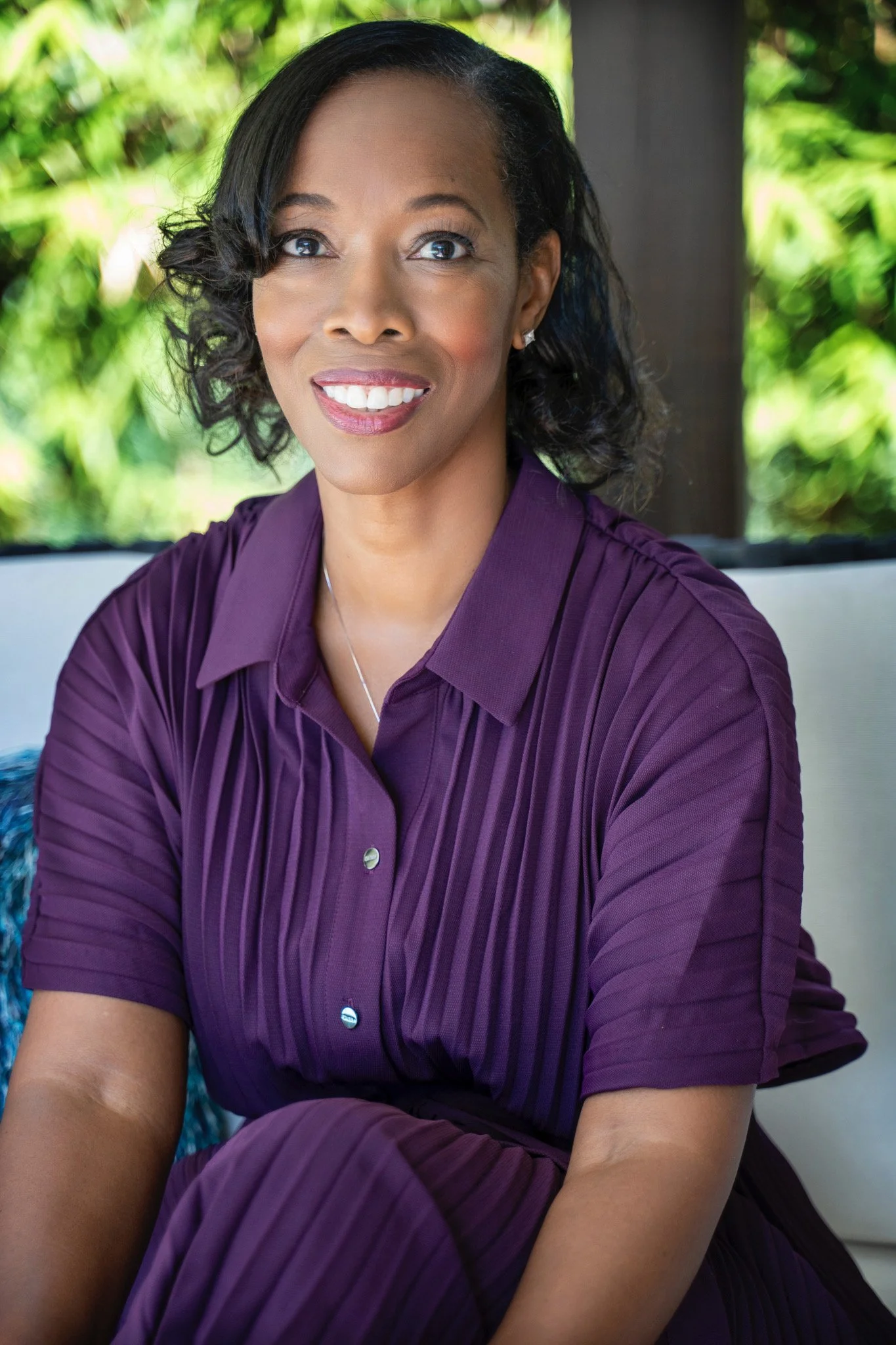
The Unexpected Path of a Liver Cancer Caregiver
Karen Wright never expected to become a caregiver. She expected a life filled with travel, family, and shared moments with her husband, Michael. Instead, she found herself walking beside him through a serious illness, learning what it means to support someone through the hardest chapter of their life.
Today, Karen shares her story to help others feel less alone.
A Love Story That Started with a Chance Meeting
Karen and Michael met in an unexpected way. A friend sat next to Michael on a flight. After talking with him, she decided he and Karen would be a good match. She connected them, and they went on a blind date.
That one introduction changed everything.
From that day on, Karen and Michael built a life together. They raised four children and welcomed eleven grandchildren. Their home was full of family, laughter, and shared memories.
Michael took pride in being a provider. He handled responsibilities and made sure his family felt secure. Karen saw him as her steady partner, someone she could depend on no matter what.
They enjoyed traveling and spending time together. Life felt stable and full.
When Something Felt Off
Michael did not complain about his health. He pushed through discomfort and kept going. That made it hard to see when something was wrong.
Over time, he had several hospital visits due to gastrointestinal issues. His doctors began to monitor his health more closely. One key test tracked his AFP levels, which can signal liver cancer.
At first, the results were normal.
Then everything changed.
By July 2022, his AFP levels had risen sharply. The numbers were so high that they were hard to measure. Doctors quickly referred him to an oncologist. Based on the results and other factors, they diagnosed him with hepatocellular carcinoma, the most common type of liver cancer.
Facing Treatment Without a Transplant Option
A liver transplant was not an option for Michael. His age and other health conditions made him ineligible.
Doctors moved forward with other treatments. He began chemoembolization, including Y90 therapy. These treatments target tumors directly.
Karen and Michael felt hopeful. The plan seemed focused and strong. Michael completed four rounds of treatment.
One tumor shrank so much that doctors could barely measure it. That felt like progress.
But the second tumor grew. It also affected a major blood vessel, which made treatment more difficult.
Holding on to Hope
Michael stayed positive. His work in healthcare shaped his view of illness. He had seen both recovery and loss, but he believed he would be okay.
His mother had lived with different cancers for many years. He expected a similar path.
He often said he had never been sick before. He did not think this would change his future.
Karen noticed that he did not talk much about his feelings. Still, his belief in recovery helped guide them through each step.
When Treatment Became Too Much
After a year of treatments, the cancer continued to grow. New tumors appeared.
Doctors offered another option, but the chances of success were low.
Michael tried a different therapy. This time, his body reacted badly.
His ammonia levels rose, which caused confusion and sudden changes in behavior. He became disoriented and did not recognize familiar places. He even needed hospitalization to stabilize his condition.
Karen watched these changes with fear and heartbreak.
After that experience, Michael made a decision.
He chose to stop treatment.
He did not want to spend his remaining time feeling sick and disconnected from himself.
Choosing Hospice and Finding Unexpected Support
Michael entered hospice care, where the focus shifted from treatment to comfort.
Karen expected hospice to be brief. Instead, Michael lived for 14 months while receiving hospice care.
That time became a gift.
Hospice provided support not only to Michael but also to Karen. Nurses visited regularly and built strong relationships with them. One nurse stayed involved for an entire year.
Karen saw hospice in a new way. It was not just about the end of life. It was about care, dignity, and support during a difficult time.
Still, living in hospice came with emotional weight. Karen often wondered when things would change. She felt like she was waiting for something she could not control.
Friends and family also had expectations. When they heard the word “hospice,” they assumed Michael would look much worse than he did. That added another layer of confusion and stress.
The Final Weeks
In his final weeks, Michael developed pneumonia. His condition began to decline more quickly.
His mental state changed again. He spoke in ways that did not make sense and seemed disconnected from reality. At times, he packed his belongings and tried to leave the house.
Karen stayed by his side. She walked with him through the neighborhood and gently guided him back home.
During the last week, Michael spent most of his time resting. Then, one day before his birthday, something changed.
He sat up. He talked. He wanted to leave the hospital bed and return to his own.
Karen felt a sense of hope.
For a moment, it seemed like he might be getting better.
The next day, on his birthday, Michael passed away.
Living with Loss and Moving Forward
Karen now faces life without the person she called her anchor.
The adjustment is slow and ongoing. She continues to process her grief while finding new ways to move forward.
She reflects on her time as a caregiver with honesty. It was hard. It was emotional. It required strength she did not know she had.
But she also sees the beauty in it.
Caring for Michael allowed her to support him in the deepest way possible. She held space for him, both physically and emotionally, during his most vulnerable moments.
That experience shaped her.
Karen believes there is something to learn in every experience, even the painful ones. She now shares her story to help others who are walking a similar path.
A Message for Other Caregivers
Karen’s journey offers a clear message.
Caregiving is not easy, but it matters.
It is okay to feel overwhelmed. It is okay to question what comes next. And it is okay to find meaning even in the hardest moments.
Support systems, like hospice care, can make a difference. They provide guidance, comfort, and connection when it is needed most.
Most of all, Karen’s story reminds others that they are not alone.
There is strength in showing up for someone you love.
A Lasting Reflection
Azure Klein’s story highlights more than loss. It reveals the hidden cost of silence.
Her father’s strength shaped his life. It also shaped how he faced illness. In trying to protect his family, he kept them in the dark.
That silence made an already difficult situation even harder.
Her story serves as a reminder that sharing matters. Speaking up can give families time, clarity, and connection when they need it most.
And sometimes, strength is not about pushing through alone.
It is about letting others walk beside you.
Why Awareness Matters
PSC is rare. Many people have never heard of it.
As a result, patients often face delays in diagnosis and care. Mark's story shows how easily providers can dismiss symptoms, especially when they do not fit a clear pattern.
It also highlights the emotional toll of living in uncertainty.
But it also offers hope.
A Message of Hope
Today, Mark is living proof that life after transplant can be full and meaningful.
He has energy again. He has purpose. He is helping others navigate the same journey.
His story reminds others that even during long periods of uncertainty, progress is possible.
And sometimes, the call that changes everything comes when it is least expected.