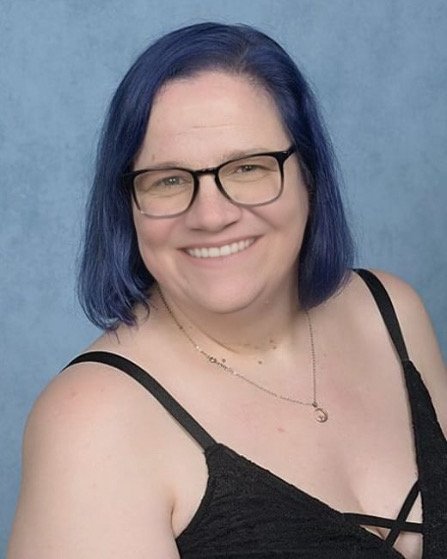
A Daughter's Story of Liver Cancer and Loss
Azure Klein grew up knowing her father as a man who worked hard, loved animals, and always had a joke ready. He built a life around discipline and quiet care. He also carried a habit that would shape the final chapter of his life—he kept his pain to himself.
Her father, Bill, was an electrical engineer. At the height of his career, he served as Director of Research and Development at Nokia. He helped design the iconic Nokia 3310, a phone known for its strength and reliability. That same strength defined him as a person.
But strength, in this case, came at a cost.
A Man Who Rarely Slowed Down
Bill worked long hours and rarely complained. After work, he spent time caring for animals on his land. It was not quite a farm, but it came close. Chickens, land, and open space filled his life outside of work.
He connected with people through humor. Jokes and puns were his way of showing care. Serious conversations came less easily. Even when he did not feel well, he kept going.
He believed in pushing through.
When he got sick, he did not take time off. If he felt bad, he would still go to work. Getting rest did not fit into his mindset. He saw illness as something to endure, not something to share.
That mindset would delay the answers his family needed.
Early Signs That Went Unnoticed
At first, there were no clear warning signs. Or at least none that Azure could see.
Bill did not talk about symptoms. He hid discomfort. By the time changes became obvious, they were hard to ignore. He began having digestive problems. These issues grew worse over time and led to accidents.
Doctors believed his gallbladder might be the cause. They recommended surgery.
Azure learned about the surgery in a surprising way. Her father sent her a message while she was already at the hospital, dressed and ready for the procedure. He treated it as routine. She did too.
There was no reason, at that point, to think otherwise.
A Discovery No One Expected
During the gallbladder surgery, doctors noticed something unusual on Bill’s liver. Since they were already operating, they took a tissue sample for testing.
That decision revealed the truth.
The biopsy confirmed cancer.
But Bill did not share that diagnosis with his family.
Weeks passed. Then months. His health continued to decline, yet the full picture remained hidden. Azure and her family noticed changes but did not understand the cause.
He became more tired. His speech changed. He struggled to communicate clearly. When asked about it, he gave simple explanations. He blamed aging or the after-effects of surgery.
The truth stayed unspoken.
Piecing Together the Clues
Azure and her stepmother began to suspect something was wrong.
One moment stood out. An MRI appointment was suddenly canceled. The explanation did not make sense. That raised questions. They searched for answers on their own.
They discovered that Bill’s primary doctor was an oncologist.
That realization confirmed their fears. Still, they had no direct confirmation from him.
Everything came to a head when Bill developed jaundice. His skin turned yellow, a clear sign that something serious was happening. The family insisted that he go to the emergency room.
There, they finally learned the truth.
The Moment Everything Changed
In the ER, doctors reviewed Bill’s scans and spoke openly about his condition.
They referred to his cancer as if everyone already knew.
Azure, her stepmother, and her sister did not.
The room fell still. Confusion turned into shock. The diagnosis became real in an instant. Bill did not respond. He seemed distant, almost disconnected from the moment.
Looking back, his behavior may have been linked to complications from liver disease. When the liver cannot filter toxins, they can build up in the brain. This can cause confusion, memory loss, and behavioral changes.
At the time, the family did not understand what they were seeing.
They only knew that everything had changed.
A Rapid Decline
Azure’s past experiences shaped her initial reaction. Her mother had survived cancer more than once. To her, cancer did not always mean death.
That belief did not last long.
Doctors soon explained that Bill had very little time left. They estimated a few weeks.
The reality proved even more severe.
From that ER visit to his passing, only a few days remained.
The Final Days
The last days were intense and painful.
Bill lost the ability to swallow. His family had to help clear saliva to prevent choking. He could no longer walk or care for himself. Basic functions became difficult.
He resisted pain medication at first. His condition affected his thinking, making decisions harder. Eventually, his wife took control of his medical care so he could receive relief.
Even then, comfort came slowly.
Azure watched the strongest man she knew become fragile. The change was hard to accept. The man who never slowed down now depended on others for everything.
The emotional weight of that shift stayed with her.
Love, Support, and Shared Strength
During those final days, the family leaned on each other.
They faced the shock together. They managed care together. They stayed present, even when the situation felt overwhelming.
There was no time to prepare. No time to process.
Only time to be there.
Why He Stayed Silent
Looking back, Azure believes her father’s silence stemmed from a mix of cultural and personal factors.
He grew up in a time when men rarely spoke about illness or emotions. Strength meant endurance. Pain was private.
He did not want to burden others.
So he carried the diagnosis alone.
A Lasting Reflection
Azure Klein’s story highlights more than loss. It reveals the hidden cost of silence.
Her father’s strength shaped his life. It also shaped how he faced illness. In trying to protect his family, he kept them in the dark.
That silence made an already difficult situation even harder.
Her story serves as a reminder that sharing matters. Speaking up can give families time, clarity, and connection when they need it most.
And sometimes, strength is not about pushing through alone.
It is about letting others walk beside you.
Why Awareness Matters
PSC is rare. Many people have never heard of it.
As a result, patients often face delays in diagnosis and care. Mark's story shows how easily providers can dismiss symptoms, especially when they do not fit a clear pattern.
It also highlights the emotional toll of living in uncertainty.
But it also offers hope.
A Message of Hope
Today, Mark is living proof that life after transplant can be full and meaningful.
He has energy again. He has purpose. He is helping others navigate the same journey.
His story reminds others that even during long periods of uncertainty, progress is possible.
And sometimes, the call that changes everything comes when it is least expected.