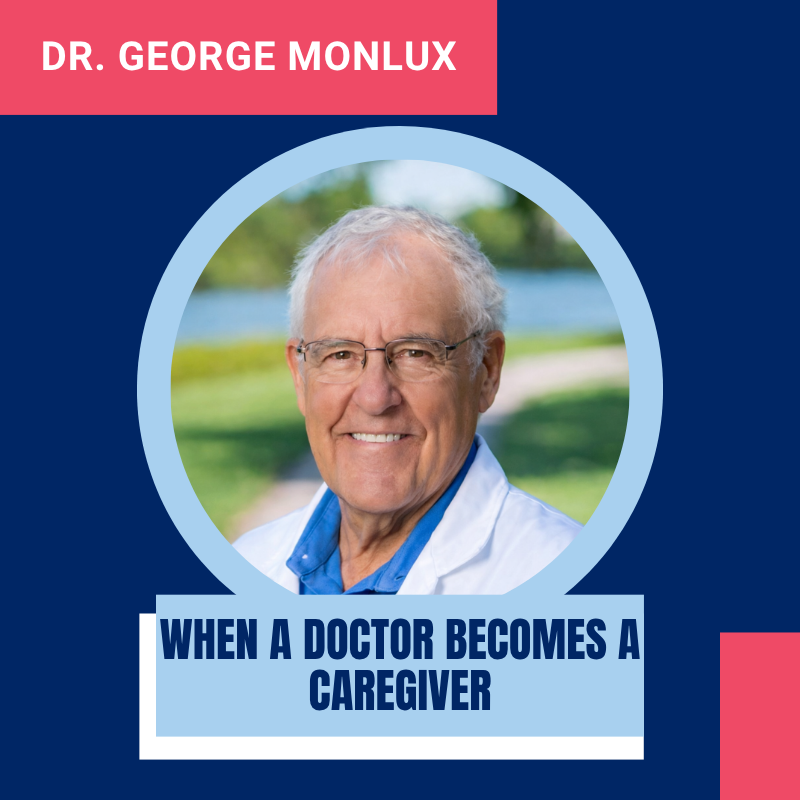
From Doctor to Liver Cancer Caregiver
When Dr. George Monlux learned that his son Will had stage 4 hepatocellular carcinoma, also known as HCC or liver cancer, he felt shocked first.
Will was only 28 years old.
As a physician, Dr. Monlux had spent years dealing with hard medical problems. He held board certification in family medicine and had worked in emergency medicine, family practice, physical medicine and rehabilitation, and research. He had served as an Army General Medical Officer. He had also faced cancer in his own life and lost both parents to cancer.
But nothing prepared him for his son's diagnosis.
"I'm shocked," he recalled. "How can he be having this diagnosis at this young age?"
Even with his medical background, Dr. Monlux knew little about HCC before Will's diagnosis. Like many families, he had to learn fast. He searched online, used AI tools, read what he could, and gathered as much information as possible.
He did not have time to work through textbooks slowly. His son needed answers.
When Medical Knowledge Helps and Hurts
Dr. Monlux's medical background helped him in some ways. He knew how to ask questions. He understood how health systems worked. He knew how to push through barriers.
But his background also made the journey harder.
As a doctor, he knew what could go wrong. He understood how serious Will's diagnosis was. He knew the risks, the possible outcomes, and the limits of treatment.
That knowledge weighed on him.
He said he resigned himself to the idea that the outcome could turn awful. As a father, that fear devastated him.
He also faced another hard truth. At first, he believed he knew what was best for Will. But Will was an adult. He had the right to guide his own care.
Dr. Monlux had to learn how to step back.
"The biggest problem in our relationship," he explained, came from "coming to grips with the fact that listen, it's his. He's the one in charge, not me."
That lesson can challenge many parents and caregivers. Love can make people want to take control. Fear can make that urge even stronger. But adult patients need support, not control.
For Dr. Monlux, that shift mattered.
Will Took Action
Will did not sit still after his diagnosis. He started researching treatments and clinical trials. He looked for options. He brought new information to his father.
Dr. Monlux called that process transformative.
Will found information that even some members of his medical team did not know. He searched for clinical trials. He looked for specialists. He explored what might still exist when standard options seemed limited.
That gave the family something important.
It gave them hope.
Dr. Monlux described Will as quiet, thoughtful, and action-oriented. He called him a "silent leader," someone who did not always share every thought but kept moving forward.
Will also showed courage. Even while facing a serious cancer diagnosis, he thought about how he could help other people.
That inspired his father.
When Doctors Said No More Options Remained
At one point in Will's journey, the medical team felt they had exhausted their options.
For any family, that moment can feel crushing. For Dr. Monlux, it felt like the edge of a cliff. But Will had already searched beyond the usual paths.
He identified a physician who understood other possible routes, including treatment access outside a standard clinical trial. Dr. Monlux reached out and offered ideas that the family had not heard before.
That mattered because the family still had something to hold onto.
"When we got to the point where it looked like there was no hope, we still had hope," Dr. Monlux said.
For families facing HCC, that message matters. Hope does not mean ignoring reality. Hope means knowing that one doctor's "no more options" may not always end the search.
Sometimes patients need a second opinion. Sometimes they need a third. Sometimes they need help finding clinical trials or learning about compassionate use.
What Compassionate Use Can Mean
Compassionate use can allow some patients to access a treatment when they cannot join a clinical trial. This pathway can become important when standard treatment options no longer work or when a patient does not qualify for a trial.
Dr. Monlux made it clear that this path can feel difficult. He shared that very few people access compassionate use. Families need guidance, persistence, and the right support.
This topic became part of his mission.
As he and Will learned more, they began thinking about how to help other families understand clinical trials and compassionate use. That work gave Dr. Monlux something to focus on during a painful time.
He no longer felt completely helpless.
For caregivers, that shift can make a difference. Many caregivers feel trapped by fear. They want to help, but they do not know what to do. Finding a mission, even a small one, can give them a way to move through the fear.
The Weight of Caregiving
IDr. Monlux spoke honestly about caregiving.
He said caring for a child with cancer stands apart from other hard experiences. Even as a physician who had faced difficult situations, nothing compared to watching his son go through HCC.
When a young person receives a serious diagnosis, the pain can feel even sharper. Parents think about the life their child should have ahead of them. They think about all the potential, dreams, and milestones that cancer threatens.
Dr. Monlux also described the long-term emotional toll.
He said the experience can feel like "a black cloud" that stays overhead. Without a coping strategy, caregivers can fall into depression or deep anxiety.
That honesty matters.
Caregivers often feel pressure to stay strong all the time. But strength does not mean hiding fear. It does not mean pretending the pain feels easy. Strength can mean finding support, asking questions, getting rest, and choosing one useful action at a time.
Dr. Monlux used exercise, family meals, and support from his wife, Laura, to cope. But his biggest strategy came from having a mission. He focused on helping Will and helping others understand their options.
A Powerful Moment of Perseverance
During treatment, Will trained for a triathlon.
At first, Dr. Monlux thought there was no way Will should do it. His instinct as a doctor and father told him to worry.
But Will trained anyway.
When Will crossed the finish line, Dr. Monlux felt amazed.
That moment showed Will's determination. It showed his desire to keep living, moving, and pushing forward. Cancer had changed his life, but it had not taken away his will to act.
For families facing liver cancer, moments like that can mean everything. They remind caregivers that patients remain whole people. They still have goals. They still have strength. They still have choices.
What Families Facing HCC Should Know
Dr. Monlux wants families facing HCC to know that questions matter.
Patients and caregivers have the right to ask about clinical trials. They have the right to ask about compassionate use. They have the right to seek another opinion when they hear that no options remain.
He also stressed the need for an organized approach. Hope should come with good information, expert guidance, and clear steps.
Blue Faery encourages patients with advanced HCC to ask about clinical trials early. Clinical trials should not always wait until the very end. For many patients, this should come up sooner as part of the treatment conversation.
Families do not have to navigate that process alone.
Blue Faery offers resources, support, and a liver cancer community where patients and caregivers can connect with others who understand the journey. Blue Faery also offers an HCC clinical trials tool to help patients and families explore possible options.
Dr. Monlux's story shows the power of asking questions, seeking support, and holding onto realistic hope.
He came on this journey as a physician. But he lived it as a father.
And through Will's courage, he found a mission that may help other families keep searching for answers.