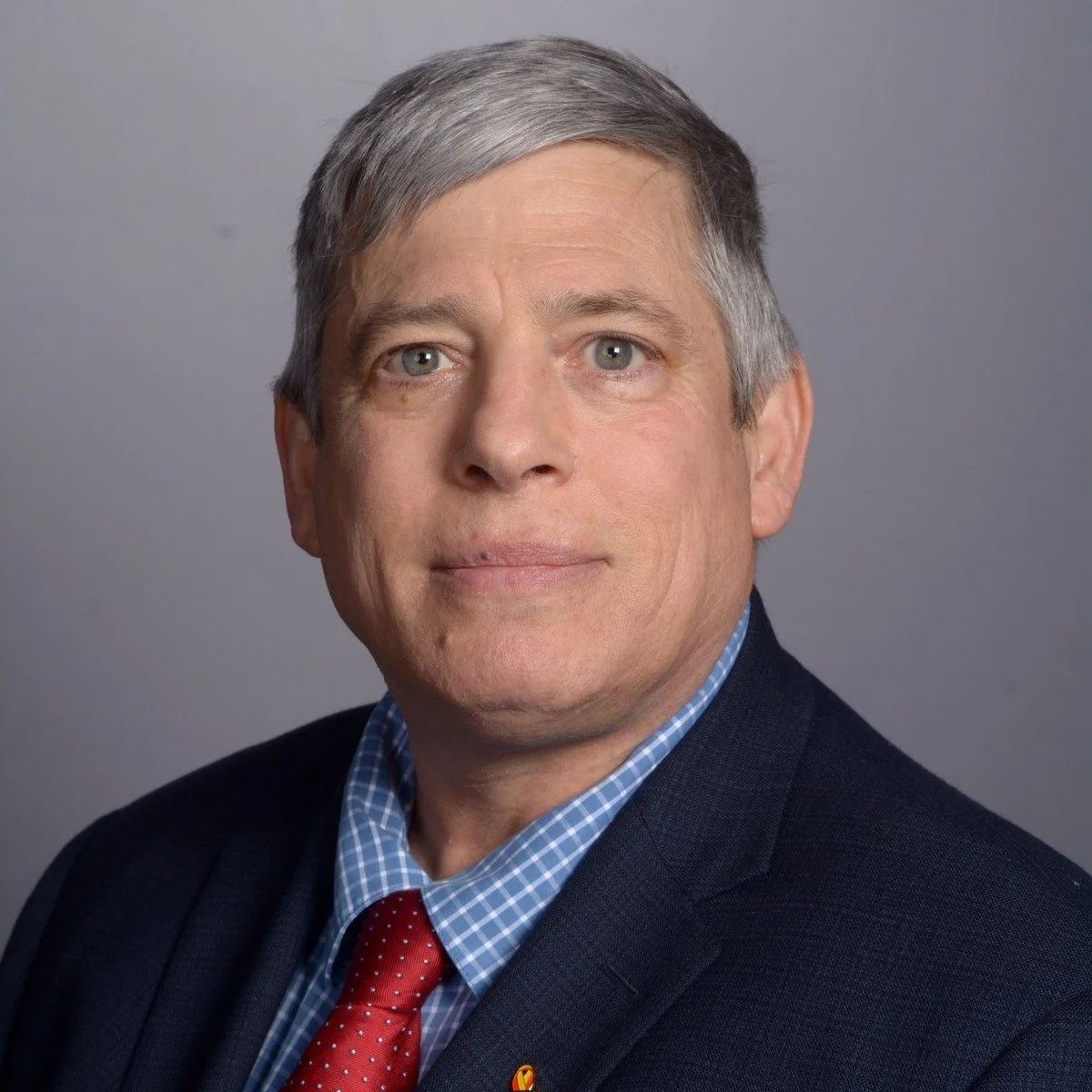
From Teen Illness to Lifelong Advocacy
The First Signs of Illness
Bill's health problems started in the 1960s. At 13 years old, he collapsed, and an ambulance carried him to the hospital. Doctors ran tests and told him he had chronic persistent hepatitis. At that time, hepatitis viruses were not well understood. The doctors didn't know if his illness would improve, get worse, or stay hidden in his body.
During that first hospital stay, Bill had a fever, severe fatigue, jaundice (yellowing of the skin and eyes), and breathing problems. He stayed in isolation because the medical team feared the disease could spread. Visitors had to wear protective gowns, gloves, and masks.
Although his symptoms eventually calmed down, Bill was far from cured. His health became a long-term puzzle for doctors and for him.
Living With an Unknown Disease
In the early 1970s, Bill began feeling soreness in his abdomen where the liver sits. His doctors ordered a biopsy, which meant taking a small piece of liver tissue with a long needle. The biopsies revealed that cirrhosis, a severe scarring of the liver, was developing.
For many years, Bill had blood tests and regular biopsies. He went through 30 or 40 biopsies in his young adulthood. By his thirties and forties, his health worsened. He often felt bloated, confused, weak, and exhausted. He also began to struggle with balance and digestion.
Doctors had finally named the disease by then: hepatitis C. But even with a name, treatment was limited. Most of the time, the medical team could only manage his symptoms.
A Failing Liver
By the mid-1990s, Bill's liver had become so damaged that his doctors told him he needed a transplant. In 1995, surgeons removed his gallbladder. During the surgery, they saw how serious the cirrhosis had become. They put Bill on the transplant list, and he waited for years.
In late 1997, his health took a sharp turn for the worse. Doctors hospitalized him for severe complications. Fluid built up in his abdomen. He had bleeding in his esophagus and often vomited blood. Scans revealed tumors in his liver. He now had hepatocellular carcinoma (HCC), the most common type of liver cancer.
The First Transplant
On January 5, 1998, Bill received his first liver transplant. The surgery saved his life. Before the transplant, doctors used a treatment called chemoembolization. It sent chemotherapy straight into his tumors to stop them from growing. Right after that procedure, Bill went into surgery and got his new liver.
Only a week later, he walked out of the hospital. For the first time in years, he felt real hope.
But the story didn't end there. A transplant cures liver cancer, but it doesn't always cure hepatitis C.
The Long Fight With Hepatitis C
About a year after his transplant, Bill started treatment for hepatitis C. The main drugs at that time were interferon and ribavirin. The drugs caused harsh side effects, but Bill stayed on them for eight years. Despite all the effort, the treatment didn't stop his liver from failing again.
By 2006, tests showed his new liver was in trouble. In April 2007, Bill underwent an emergency second transplant. This surgery was much more complex than the first. He flatlined twice during the procedure and spent weeks in a coma afterward. Recovery was slow, painful, and exhausting. He had to relearn how to walk because of muscle loss from months in bed.
Still, he survived.
Finally Cured
After decades of battling hepatitis C, new treatments became available. In 2016, Bill finally beat the virus. The news filled him with relief. For the first time in more than 50 years, he was free from the disease that had shaped his entire life.
The Impact on His Family
Bill's health struggles deeply affected his family. They watched him collapse as a teen, endure painful treatments as a young man, and face life-threatening surgeries as an adult. Through it all, Bill's resilience gave his loved ones strength.
One of Bill's greatest joys after his recovery was walking his daughters down the aisle and meeting his grandchildren. These milestones once seemed impossible, but medical science, organ donors, and dedicated healthcare teams made them possible.
From Patient to Advocate
Bill didn't stop with his own survival. He turned his experiences into advocacy. Today, he works with patients, doctors, researchers, and policymakers. Together, they aim to improve healthcare access and outcomes for people with chronic diseases and cancer.
He believes in coordinated care, which brings together experts from different medical fields to work as a team. Bill also pushes for global awareness. He wants stronger healthcare systems that give everyone access to lifesaving treatments.
Lessons From Bill's Story
Bill's journey shows how far medicine has come in just a few decades. He got his first diagnosis at a time when hepatitis C had no name. Today, doctors can cure people in a few months with safe and effective pills. Liver transplant surgery was once experimental. Now, it is a standard treatment for end-stage liver disease.
His story also reminds us of the importance of organ donation. Without two donated livers, Bill would not be alive today. Every organ donor allows another person to live, recover, and see their family grow.
A Message of Hope
Bill often says that science, teamwork, and perseverance saved his life. He is grateful to the doctors, researchers, and donors who made his survival possible. But above all, he wants others facing chronic illness to know that hope is real.
As a teenager, he collapsed from illness. Later, he survived cancer and went through two transplants. He finally won his fight with hepatitis C. Bill has faced challenges most people can hardly imagine. Today, he stands as a survivor and a global voice for change.