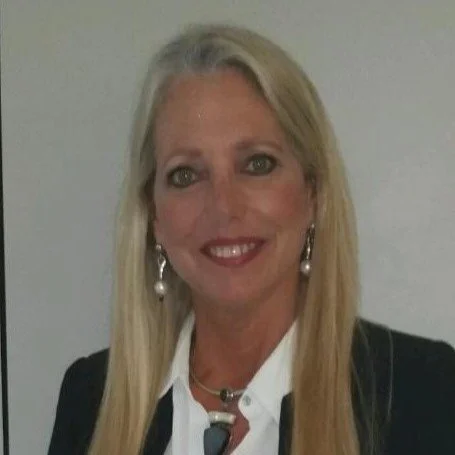
Living Beyond Liver Cancer
Kay Anderson has spent her life caring for others. She spent more than 40 years as a nurse, caring for hospital patients, serving veterans, and working as an officer in the U.S. Air Force. Her passion turned into a mission to guide people through life's toughest health battles.
But Kay's story is not just about the care she gave as a nurse. It is also about her own fight for survival. She survived breast cancer and advanced liver cancer, also called hepatocellular carcinoma (HCC). These battles turned her into a strong patient advocate and a trusted volunteer. She is proof of the power of persistence.
When Cancer Strikes Twice
In 2007, Kay was diagnosed with breast cancer. Like many patients, she went through treatment and recovery with determination. She relied on her medical training and support system to get through those tough months. She thought the worst was behind her.
But only a year later, new pain in her upper right abdomen led doctors to run more tests. What they found shocked her: three tumors in her liver. At first, there was confusion about what those tumors were. Different doctors gave different opinions, which only added to her stress. Finally, a biopsy confirmed the diagnosis — hepatocellular carcinoma, or HCC.
A Rare and Unexpected Cause
Kay had no history of liver disease. Doctors first believed she was in a small group of patients who develop HCC with no apparent cause. Later, they learned her cancer likely came from a rare side effect of tamoxifen. Tamoxifen is a medicine that helps prevent breast cancer from coming back.
Kay stresses that tamoxifen is safe and effective for most people. Her situation is extremely rare. She warns patients not to avoid treatment out of fear of what happened to her.
"Six Months to Live"
Kay's 2008 diagnoses came when options were limited. There were no approved drugs for advanced liver cancer. The only possible cures were surgery or a transplant.
Kay's cancer had spread to both lobes of her liver, which made surgery impossible. Because of her breast cancer history, she did not qualify for a transplant. Doctors told her she had less than six months to live.
That moment could have ended her story. Instead, it began a new chapter.
Refusing to Wait and Watch
Kay refused to give up. She sought a second opinion at MD Anderson in Houston. The doctors gave the same answer — there was nothing they could do. On her drive home to Dallas, she cried, but then she made a decision. She put on her "big boy pants" and told herself no more tears. She would take control of her care and fight with everything she had.
Back in Dallas, Kay met with her medical team. When they suggested "watch and wait," she pushed back. She told them she would not sit and wait to die. Instead, she demanded treatment, even if it hadn't been proven effective yet. Her doctors chose an aggressive chemo, delivered directly to her liver.
Chemo on Her Own Terms
This treatment was very different from the breast cancer chemotherapy she had known. Instead of short visits, Kay was admitted to the hospital for a week at a time. Doctors placed a catheter through her femoral artery and guided it into her liver. Through it, she received four types of chemotherapy drugs nonstop for six or seven days.
The side effects were brutal. Kay had nausea and hallucinations. Her blood pressure dropped. Kidney problems sometimes sent her to intensive care. She could not move from bed during treatment because of the catheter's placement.
After three months, her doctors were shocked to see the tumors shrinking. By six months, half were gone. The treatment continued for another six months, and slowly, her condition improved. Against the odds, Kay survived.
Living Proof That Hope Works
More than 15 years later, Kay is still here. Her kidneys are weak, and her blood pressure is hard to control. Still, she accepts these challenges with gratitude. As she says, "I get to enjoy life."
Kay is still closely monitored. After years of clear scans, doctors recently found new spots on her liver. She is awaiting biopsies to confirm the diagnosis. But instead of fear, she meets this news with courage. She knows the road ahead may not be easy, but she has the strength to keep moving forward.
Turning Survival Into Service
Surviving cancer twice gave Kay a deep sense of purpose. In 2018, she spoke at a Maui Cancer Resources event, and by the following year, she became a volunteer. In 2020, she joined the board of directors as treasurer.
Her volunteer work includes guiding patients, much like a nurse navigator. She helps people understand their diagnoses and find the right doctors. She also supports them as they cope with the emotional toll of cancer. Some patients lean on her throughout their whole journey. Others reach out only at certain times. Either way, she offers compassion and the voice of someone who has walked the same path.
Kay also raises concerns about the healthcare system. She sees a shortage of doctors in Hawaii and across the United States. Many physicians are past retirement age. They keep working because patients beg them to stay. Fewer young people are entering medical school, making the shortage worse. Kay believes this is a healthcare crisis that demands attention.
Kay’s Lessons for Us
Kay Anderson's story carries lessons for patients, families, and caregivers:
Be your own advocate. Kay refused to accept "wait and watch." She demanded options and fought for them.
Seek second opinions. A fresh perspective can provide clarity even if the answer does not change.
Build a team. Kay worked closely with her doctors and leaned on her family, community, and other patients.
Give back. Helping others gave Kay purpose and strength even as she faced her own challenges.
Hold on to hope. Doctors told Kay she had six months to live. Fifteen years later, she is still here, fighting, and making a difference.
Refusing to Let Fear Win
Kay Anderson's journey shows the power of resilience, advocacy, and hope. She has touched countless lives as a nurse, a cancer survivor, and a volunteer. She proves that determination can light the way forward even in the darkest moments.
Her story is not just about surviving cancer. It is about living purposefully, giving back to others, and refusing to let fear have the last word. Kay's message is clear for every patient facing a new diagnosis: don't give up, speak up, and fight for your life.