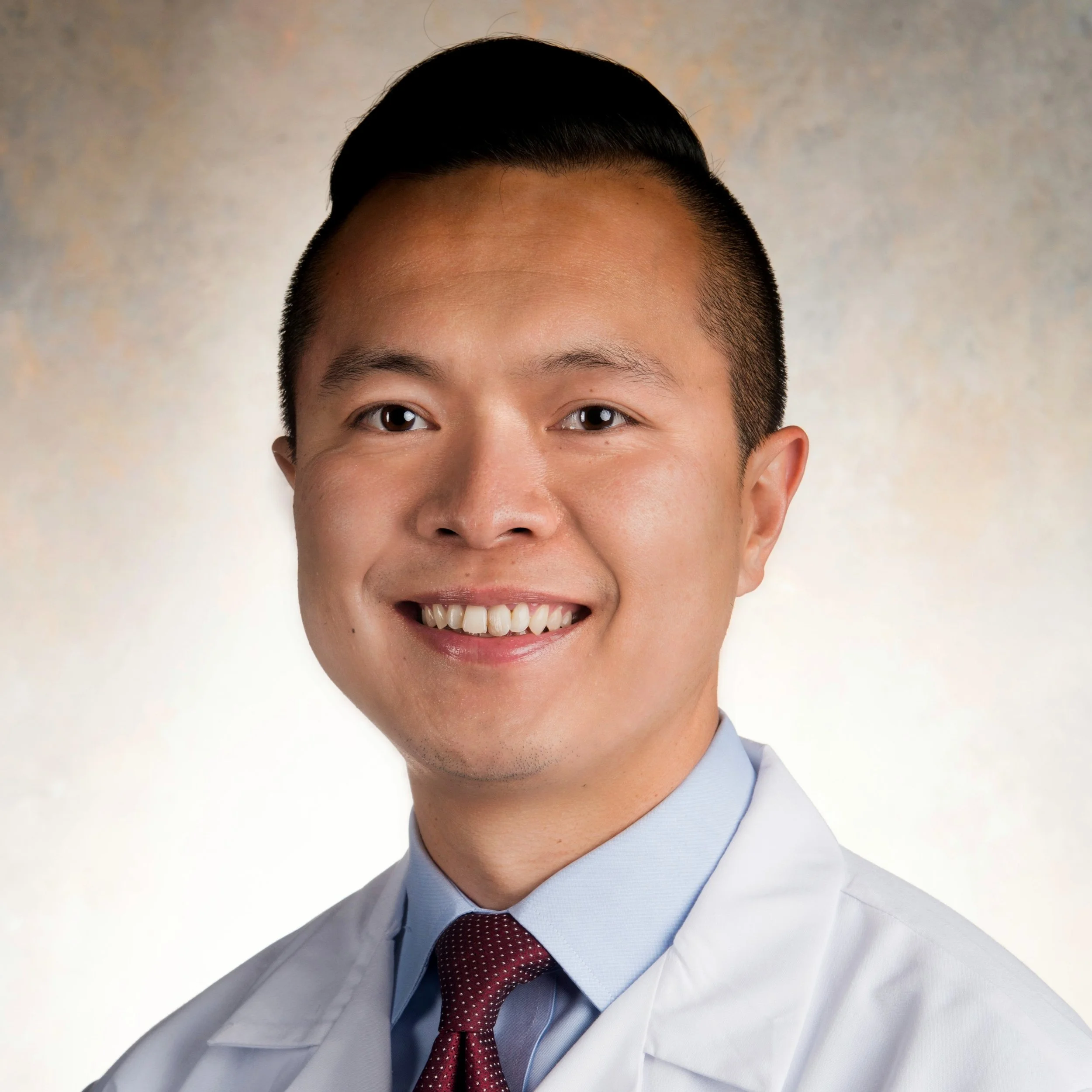
Driving Progress in Liver Cancer Care
From Personal Connection to Professional Calling
Dr. Liao did not grow up planning to be a doctor. After many of his family members and friends faced cancer, he committed to medicine, specifically oncology, in college. The disease intrigued him for its medical complexity and how it profoundly impacts patients and their families.
In college, he studied molecular biology and genetics when targeted cancer therapies were emerging. These breakthroughs transformed cancer treatment, and the science behind them excited him. As he moved through medical school, Dr. Liao realized oncology offered something rare—a deep and lasting connection with patients. Many cancer patients, he noted, come to see their oncologist as "their doctor," even when other specialists are involved. That special relationship cemented his career choice.
A Path to Liver Cancer Expertise
Dr. Liao earned his medical degree at Vanderbilt University in Tennessee. He explored different cancer specialties early in his career, working on kidney and breast cancer research. His interest in liver cancer developed after he joined the University of Chicago in 2017. At that time, liver cancer treatment was limited. In 2017, the only approved systemic therapy was sorafenib. However, within a year, the field experienced a surge of successful clinical trials, leading to several new treatment options. Seeing research translate into real patient improvements was exciting and rewarding.
Research That Pushes the Field Forward
Today, Dr. Liao continues to lead and participate in clinical trials for liver cancer, bile duct cancer, and GI NETs. A major focus of his current work is identifying biomarkers, specific genetic or molecular traits in tumors that could be targeted with new drugs. Finding such biomarkers could allow doctors to personalize treatment, improving patient outcomes.
The Power of a Multidisciplinary Team
One of the cornerstones of Dr. Liao's approach is collaboration. Liver cancer is a complex disease, often tied to underlying liver conditions like cirrhosis or fatty liver disease. Effective treatment requires input from many specialists:
Hepatologists manage the underlying liver disease, which often affects prognosis as much as the cancer itself.
Surgeons perform resections or transplants for patients with early-stage disease.
Interventional radiologists deliver liver-directed therapies, such as embolization or ablation.
Diagnostic radiologists interpret complex imaging to guide treatment decisions.
All these specialists come together at the University of Chicago in a single clinic. Patients meet with the team—oncologists, hepatologists, surgeons, and interventional radiologists—on the same day. The team reviews cases in advance, ensuring patients receive a unified treatment plan without unnecessary delays. Dr. Liao calls it "one-stop shopping," and patients appreciate the coordinated care.
Choosing the Right Treatment
With multiple first-line systemic therapies now available, Dr. Liao carefully matches each patient to the treatment that best fits their health profile. Factors like bleeding risk, heart conditions, and uncontrolled high blood pressure can influence which drugs are safe and effective. This personalized approach is key in a field where treatment decisions are rarely one-size-fits-all.
Understanding the Role of Underlying Liver Disease
About 60% of Dr. Liao's patients already know they have liver disease before being diagnosed with liver cancer. The rest discover it at the time of diagnosis.
In recent years, fatty liver disease has become the most common underlying condition in liver cancer patients.
Lifestyle changes—diet, exercise, and avoiding alcohol—can help manage fatty liver disease. Some studies also suggest possible benefits from coffee consumption or medications like aspirin, though the evidence is insufficient for universal guidelines. At the University of Chicago, a dedicated fatty liver clinic, led by hepatologist Dr. Anjana Pillai and colleagues, focuses on research and patient care in this growing area.
Challenges in Navigating Care
One of the biggest challenges for patients is navigating the complex healthcare system. Specialists are readily available in academic centers, but in community settings, patients may struggle to access coordinated care. Some may see an oncologist first without being evaluated for surgical or transplant options, potentially missing opportunities for curative treatment. Dr. Liao sees improving care coordination as a major need in liver cancer treatment.
Supporting the Whole Patient
Dr. Liao's team also prioritizes comprehensive support services for liver cancer patients. In addition to specialists, care often involves:
Palliative care providers for symptom and pain management
Dietitians to guide nutrition during treatment
Cancer psychologists and psychiatrists to support mental health
Social workers to address social and logistical barriers to care
These services ensure treatment addresses the cancer and the patient's overall well-being.
Looking Ahead
For Dr. Liao, the progress in liver cancer treatment over the past six years is a source of optimism. New therapies, better diagnostic tools, and multidisciplinary teamwork have improved many patients' survival and quality of life. However, challenges remain in prevention, biomarker development, and ensuring every patient can access expert, coordinated care.
Through his clinical work and research, Dr. Liao is helping to shape a future where liver cancer care is more effective, personalized, and accessible. His dedication to science, collaboration, and patient relationships makes him a leading voice in the fight against this complex disease.