Preventing Liver Cancer Through Early Hepatitis Treatment
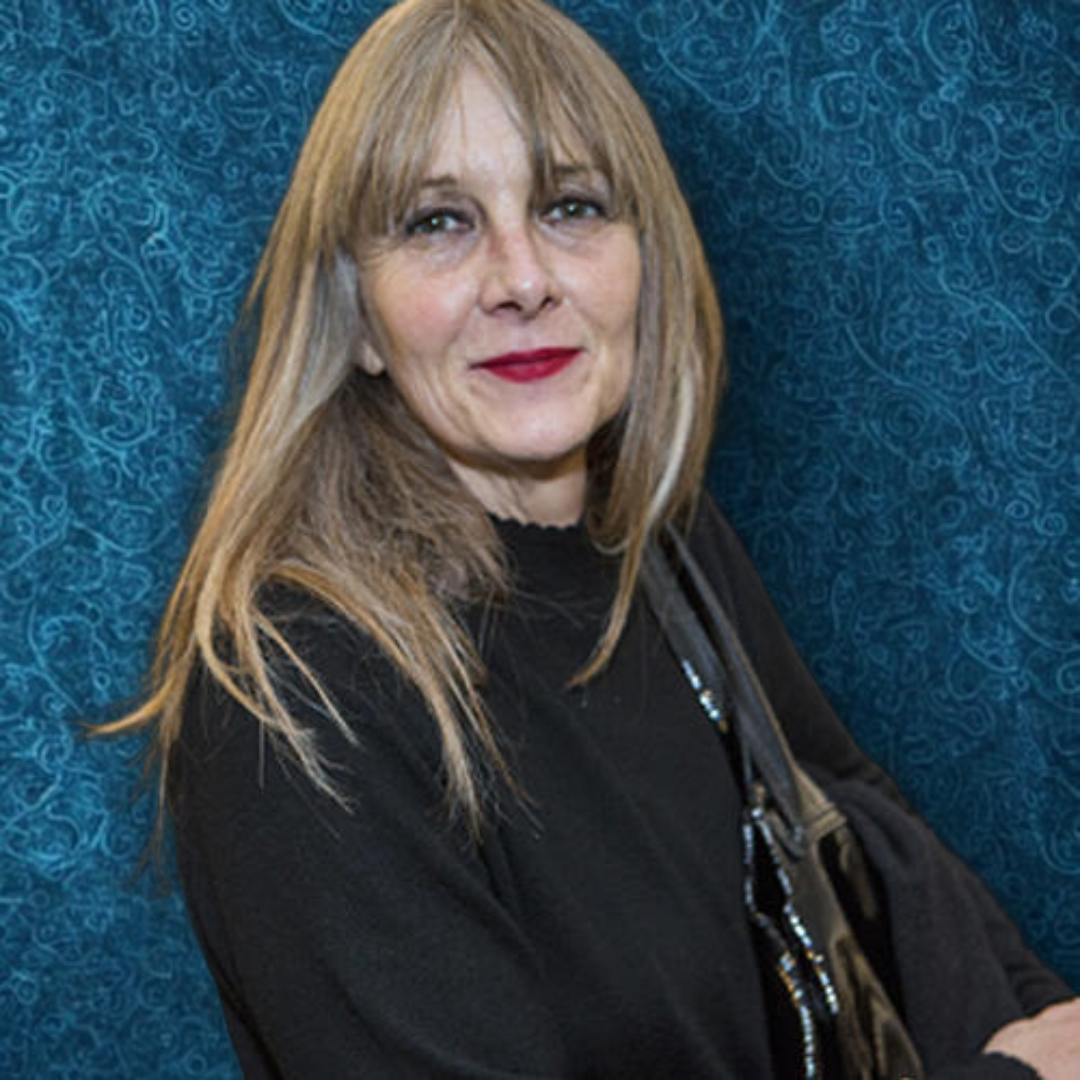
For many years, Rachel Halford kept her past a secret. She lived with a heavy weight of shame because of her history with drug use and a diagnosis of hepatitis C. Today, she is a global leader and the CEO of The Hepatitis C Trust. She spends her life making sure no one else has to suffer in silence or die from a disease that we know how to cure.
Her journey shows us that "lived experience"—the wisdom gained from actually going through a struggle—is the most powerful tool we have to save lives.
A Diagnosis Without a Map
Rachel's story began in 1998. After overcoming a long struggle with addiction, she decided to get tested for HIV and hepatitis C. At the time, hepatitis C was very common among people in the UK who used drugs. When her results came back positive, the nurse gave her advice that seems shocking today. The nurse told her not to worry because she would likely "die of something else" before the virus caused real trouble.
Because doctors told her it wasn't a big deal, Rachel didn't think much about it for nearly 10 years. But by 2007, her body began to fail. Her legs swelled, she bruised easily, and she felt incredibly ill. The virus was damaging her liver.
She decided to undergo a treatment called interferon. At that time, the medicine was very hard on the body. Rachel describes that year of treatment as "horrendous." However, it worked. The new treatment cured her of the virus. Even after this victory, Rachel was not ready to be an advocate. She was working with women in the legal system and kept her medical history very private. The stigma, or the unfair judgment from society regarding drug use and liver disease, made her feel like she had to hide who she was.
The Turning Point
Rachel spent a decade as a leader for organizations helping women in the justice system. She eventually felt burned out and sought a change. A friend suggested she meet a man who had started a group called The Hepatitis C Trust.
When she took a job there as a deputy, she thought it would be an easy way to step back from high-stress leadership. She quickly realized she was wrong. The world of healthcare was full of complex rules and confusing terms. More importantly, she realized she had to face her own judgments.
Growing up with a mother who used drugs, Rachel admitted she used to be very judgmental of people with addictions. But as she matured and worked within the Trust, her heart changed. She realized that no one deserves to suffer from hepatitis or liver cancer, regardless of their past. She saw that addiction is complicated and that every person deserves care and respect.
The Power of Lived Experience
One of the biggest lessons Rachel learned at the Trust is that people who feel left out of society often do not trust doctors or nurses. People who use drugs might avoid hospitals because they are afraid of being judged.
However, these same people will listen to someone who has "been there." Rachel discovered that when a person with lived experience shares their story, it builds a bridge of trust. This led to a massive shift in how the organization worked. They began hiring "peers"—people who had recovered from hepatitis C—to talk to others about getting tested and treated.
Under Rachel's leadership, the organization grew from 25 employees to 180 paid workers and over 300 volunteers. Almost everyone working there has been affected by the virus. This approach has changed the way the public sees people with addiction. It has also helped the UK reach more people early, treating them before their liver damage turns into cancer.
A Heartbreaking Loss
While Rachel was growing as a leader, a personal tragedy made her mission even more urgent. Her best friend was living in Australia and had both hepatitis B and C. Unfortunately, her friend did not get the modern, life-saving medicines (called DAAs) until it was too late.
The virus badly damaged her friend's liver, which eventually led to liver cancer. Rachel watched her friend go through a terrible illness, including comas and internal bleeding, before she passed away.
"No one needs to die," Rachel says. "We have a cure for hepatitis C. We have vaccines and treatments for hepatitis B. We have all the tools."
Watching her best friend die from a preventable disease was the final turning point. Rachel decided she would no longer just "float along." She would be a brave advocate to ensure the system works for everyone.
Lessons in Leadership and Advocacy
Rachel believes that to change the world, you have to be two things: brave and a partner.
Be Brave: Rachel still feels the old stings of shame sometimes, but she speaks up anyway. She knows that when she shares her story, it gives someone else the courage to get a blood test.
Get in the Middle: When Rachel was a teenager, she was an activist who marched in the streets. While marching is important, she now believes that if you want to fix a broken system, you have to get inside of it. She works directly with government health services, clinics, and even the companies that make the medicine.
Changing the Conversation
The public often sees liver disease and hepatitis as 'unattractive' topics. Because of the stigma surrounding how people get these diseases, many people find it hard to talk about them. Rachel is on a mission to normalize these conversations.
She points out that many people have liver disease for years without knowing it. Sometimes, doctors even tell patients not to worry about it, just like they told Rachel years ago. This is a mistake. When people don't know they are at risk for cancer, they don't get the check-ups they need to stay safe.
Rachel's goal is to make liver health a normal part of the conversation. Whether the cause is a past mistake, a medical accident, or other health issues like diabetes, the focus should always be on prevention and care.
A Message for Future Advocates
For anyone who feels called to help others, Rachel has simple advice: Tell your story. Your history is not something to be ashamed of; it is a tool that can save a life. By working together in partnerships and being honest about our experiences, we can end the stigma. Rachel Halford's journey from a silent patient to a global CEO proves that our greatest challenges can become our greatest strengths.
Through her work, she continues to remind the world that every voice matters and that every life is worth saving.