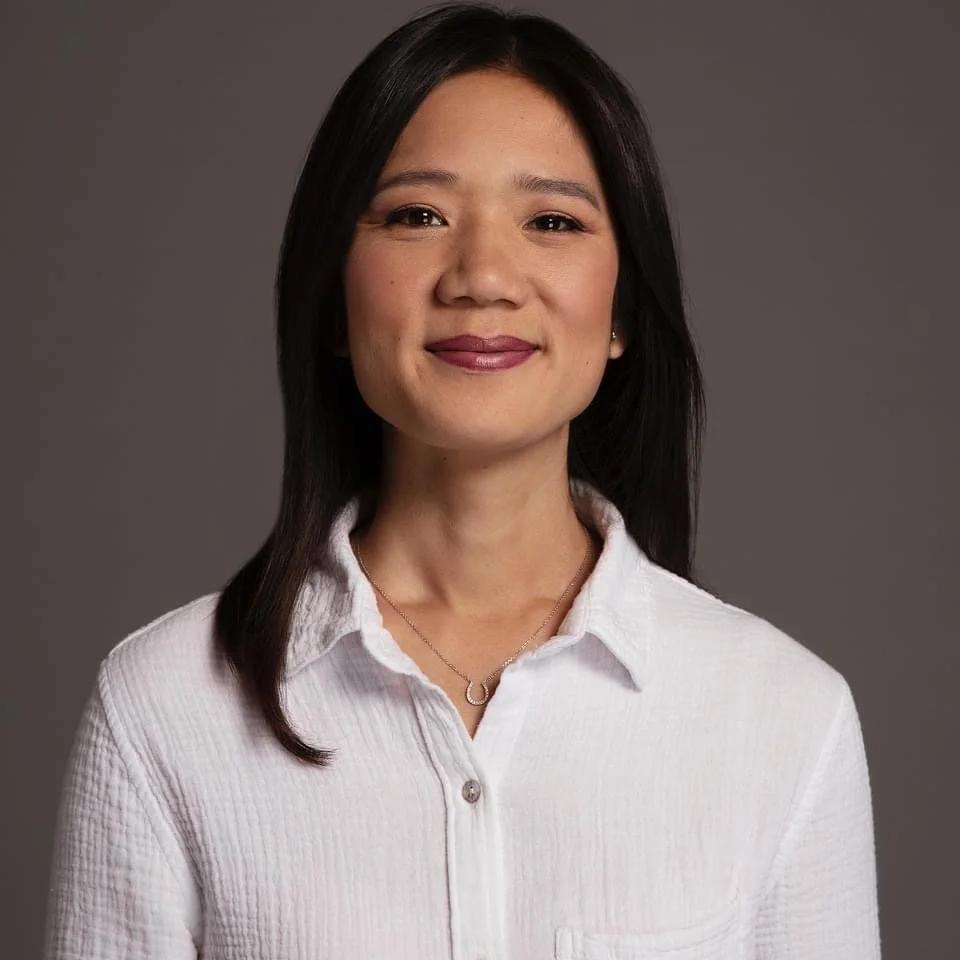
Too Young for Cancer: The Power of Patient Advocacy
When Phuong Gallagher was 29, she should have been focusing on her new marriage and her growing career. Instead, she spent a year and a half trying to figure out why her body felt wrong. When she finally got an answer, it was a shock: she had rectal cancer.
For 18 years, Phuong has not only survived stage 4 cancer but has also become a leading voice for others facing the same fight. Her journey from a shy, "passive" patient to a national advocate is a roadmap for anyone seeking hope amid a difficult diagnosis.
The Challenge of a Misdiagnosis
One of the hardest parts of Phuong's story began before she even knew she had cancer. Doctors originally told her she had Irritable Bowel Syndrome (IBS). They told her she was "too young" to have cancer. This is a common and dangerous mistake that many young adults face.
Because people assume cancer only happens to older people, young patients often lose valuable time. For Phuong, it took 18 months to get the correct diagnosis. By then, the situation was serious.
Beyond the physical illness, Phuong felt a deep sense of isolation. When she looked for support groups, she found herself in rooms full of people twice her age. Their concerns were about retirement or grandchildren, while she was trying to start a family and climb the corporate ladder. She did not see herself in the brochures or the meetings, which made an already scary situation feel even lonelier.
Finding a Community and a Voice
Everything changed when Phuong discovered The Colon Club. This group focuses on people who get colorectal cancer at a young age. For the first time, she was in a room—and an online forum—with people who actually understood her life.
They taught her two life-changing skills:
How to ask the right questions.
How to advocate for herself.
Before this, Phuong described herself as a "passive consumer" of medicine. She took the pills and followed orders without much input. With her peers' support, she became an active participant in her own care. She realized that she was a partner in her treatment, not just a bystander.
Her transition to public advocacy wasn't easy. Phuong admits she is naturally shy and prefers to avoid cameras. However, a friend named Belle encouraged her to share her story in a magazine. When Belle passed away from cancer, Phuong decided to honor her friend's memory by stepping into the spotlight. Supported by her husband, who helped her write and practice speeches, she began to push past her fears to help others.
Understanding Liver Metastasis
As a stage 4 survivor, Phuong learned a lot about how cancer moves through the body. Colorectal cancer often spreads to the liver or the lungs. This is called secondary liver cancer or liver metastasis. It is different from cancer that starts in the liver, but it brings its own set of challenges.
Phuong points out that when cancer reaches the liver, it can limit a patient's options for clinical trials. Clinical trials are research studies that test new treatments. They often offer the best chance to extend life or improve the quality of treatment.
She encourages patients to be proactive. Doctors are very busy and may not have the time to research every single new study. Phuong suggests that patients learn about their own "biomarkers" (unique clues in their DNA) and bring information about trials to their doctors. By doing this, patients can open the door to treatments that might otherwise remain closed.
The Hidden Costs: Financial and Time Toxicity
Through her work with researchers and the White House, Phuong has helped define two major burdens faced by cancer patients. She uses two specific terms to describe them:
Financial Toxicity: The high cost of cancer care. It includes the bills for medicine, surgery, and hospital stays. It is the reason many families struggle with debt or bankruptcy while trying to save a life.
Time Toxicity: This is a newer idea that Phuong is very passionate about. It refers to the massive amount of time cancer "steals" from a person. This includes hours spent on the phone with insurance companies, traveling to centers, sitting in waiting rooms, and recovering from extra scans.
Phuong explains that for a patient, time is the one thing they can never get back. When researchers add "just one more scan" to a study, they might not realize it means the patient has to miss work, find childcare, and spend hours in traffic. By sharing her story, Phuong helps researchers design studies that are more respectful of a patient's limited time and money.
Turning Darkness into Clarity
Phuong's motivation after 18 years comes from a simple place: she doesn't want others to feel as lost as she did. She believes that "loneliness and fear of the unknown are much worse than facing the truth."
When a patient has the right information, the "darkness" of a diagnosis is replaced with clarity. Knowledge gives power back to the patient. Phuong sees it as her mission to share the lessons she learned the hard way so that the next person doesn't have to make the same mistakes.
For those who want to help but don't know how, Phuong has a simple piece of advice: Start by telling your story. You don't need to speak at the White House or write a scientific paper to be an advocate. Sharing your experience on social media or in a local support group can change how people understand the disease. Every time a patient speaks up, they make the path a little easier for the person walking behind them.
Phuong Gallagher's 18-year journey proves that even a shy person can find a powerful voice. By moving from "passive" to "proactive," she has not only saved her own life but has also improved the lives of countless others in the cancer community.