Why Liver Cancer Survival Is Improving
The fight against liver cancer is changing fast. For a long time, an advanced liver cancer diagnosis felt like a dead end. Today, new doctors and medicines offer something patients haven't had in years: real hope.
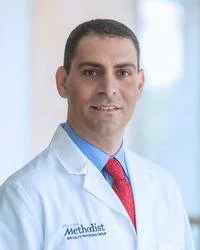
Dr. Maen Abdelrahim leads the field. As an expert in digestive cancers and liver transplants, he recently shared his journey into medicine, how the liver works, and why the future of cancer care looks brighter than ever.
A Different Path to Medicine
Most doctors follow a straight line from medical school to the hospital. Dr. Abdelrahim took a more interesting route. His interest in healing began in elementary school, watching his uncle, a brain surgeon, save lives. This inspired him, but he wanted to understand the "why" behind the medicine.
Before he became a medical doctor, he earned a PhD. He spent years studying how drugs work inside the body to attack cancer cells. He even helped invent a new drug and holds a patent for it. Eventually, his love for science led him back to treating people directly. He chose to focus on gastrointestinal (GI) oncology because these cancers are some of the hardest to treat. He saw a chance to help patients who often felt forgotten.
Why the Liver is Unique
The liver is one of the hardest-working parts of your body. It performs over 500 different tasks every day to keep you healthy. Because it does so much, the whole body feels it when the liver gets sick.
Most liver cancers start with inflammation, which is a type of swelling or irritation. This usually comes from:
Fatty liver disease (caused by diet or health issues).
Hepatitis viruses (like Hep B or Hep C).
Alcohol use.
Over time, this swelling leads to severe scarring called cirrhosis. Once the liver has cirrhosis, you cannot undo the damage. As the liver tries to repair itself, it can introduce errors into its genetic code. These mistakes turn into cancer.
Dr. Abdelrahim points out that the liver is special. It is one of the few organs where doctors can cure cancer with a transplant. If a doctor catches the cancer early, they can replace the sick liver with a healthy one from a donor.
The Importance of Catching It Early
Early detection is the best way to survive liver cancer. Unfortunately, many patients do not know they are sick until the cancer spreads. By the time symptoms like jaundice (yellowing of the skin and eyes) appear, the cancer is often in a late stage.
This is why screening matters. People at high risk—those with cirrhosis, fatty liver, or hepatitis—should get regular checkups. Dr. Abdelrahim recommends two main tests:
Ultrasounds: These use sound waves to look for growths.
AFP Blood Tests: This test looks for a specific protein that often rises when cancer is present.
If a doctor says you have a "fatty liver," ask for a specialist (a hepatologist) right away. Taking action early can be the difference between a treatable condition and a dangerous one.
A Team Effort: The Tumor Board
No single doctor can treat liver cancer alone. Dr. Abdelrahim uses a "team approach." This means a whole group of experts works together to help one patient. They call this group a Tumor Board.
A typical team includes:
Oncologists: Cancer doctors who manage medicine.
Surgeons: Doctors who perform transplants or remove tumors.
Radiologists: Experts who use scans and radiation to kill cancer.
Hepatologists: Liver specialists who keep the organ healthy.
When these experts meet to discuss a case, the patient gets the best possible care. They look at every option, from surgery to new clinical trials.
New Medicines, New Milestones
The biggest change in liver cancer care happened in the last ten years. In the past, doctors used "targeted therapies" to block cancer growth. These helped some people, but they weren't enough.
Today, we use immunotherapy. This medicine teaches your own immune system to find and destroy cancer cells. Dr. Abdelrahim says these drugs work best when combined with other treatments.
The results are incredible. Ten years ago, very few patients with Stage 4 liver cancer lived for a long time. Now, about one in five patients lives for five years or more. Some patients even see their cancer disappear entirely after two years of treatment. While this doesn't happen for everyone, it shows that "Stage 4" is no longer a guaranteed death sentence.
Moving Forward Together
Dr. Abdelrahim has a simple message for patients and families: do not give up. Science is moving faster than ever. If you are at risk, get screened. If you receive a diagnosis, find a hospital that performs many transplants and uses a team-based approach.
He also encourages patients to join clinical trials. These trials test new, life-saving drugs. Every "miracle drug" we have today exists because patients in the past chose to help with a study. By working together—patients, families, and doctors—we can win the fight against liver cancer. With early detection and new "smart" medicines, there is more reason to be hopeful today than ever before.